Blog
Blog
August 17, 2026
Choosing the right ABS edge banding can be a daunting task for anyone looking to create premium furniture. As a user, your main goal is to ensure durability, aesthetic appeal, and ease of application. Common issues arise due to the vast selection of suppliers, varying qualities, and the need for the edge banding to match design preferences. An effective solution involves understanding the specific requirements of your project and the characteristics of ABS materials. This article will guide you through selecting edge banding from reputable ABS edge banding suppliers like chimeda, ensuring your furniture meets both style and durability standards.
Before diving into the selection process, it's crucial to comprehend what ABS edge banding is. Acrylonitrile Butadiene Styrene (ABS) is a thermoplastic polymer known for its strength and resilience. This material is commonly used in furniture manufacturing due to its resistance to impact (up to 200% more resilient than traditional PVC), chemical exposures, and general wear and tear. While browsing for options, ensure you acknowledge three key aspects: thickness measurement (typically between 0.4mm and 3mm), adhesive types (PUR vs. EVA), and surface finishes (glossy, matte, or textured). Users often face challenges in these areas due to a lack of clear comparisons and product knowledge.
Before commencing your selection process, gather the following materials:
Follow these detailed and actionable steps to select the best ABS edge banding:
While working with ABS edge banding, users frequently encounter a few errors:
Choosing the right ABS edge banding is critical for enhancing the durability and appearance of your premium furniture. By understanding your project needs, correctly measuring dimensions, and selecting the appropriate adhesive and color, you can make informed decisions that lead to stunning results. Always remember to conduct proper tests with samples, and consult with expert suppliers like Chimeda for reliable options.
ABS edge banding is approximately 200% more resilient than PVC, making it superior in impact resistance and overall durability.
No, ordinary wood glue is not effective for bonding ABS. It is essential to use either PUR or EVA adhesives for a durable bond.
Keep your furniture away from extreme temperatures and high moisture environments, as these factors can weaken adhesive bonds over time.


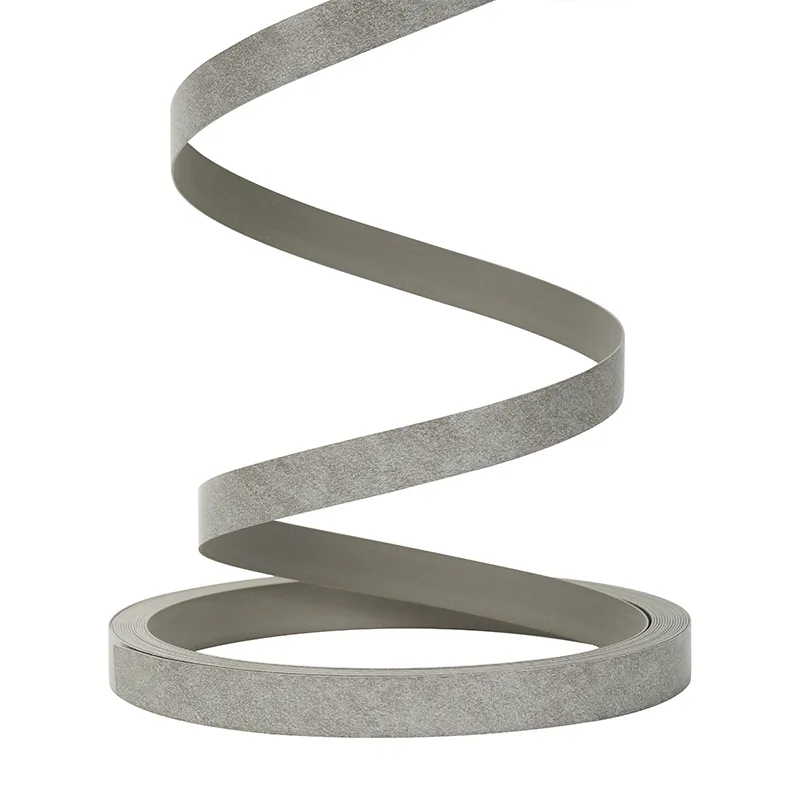
September 21, 2026
How to Apply PP Edge Banding for a Professional Finish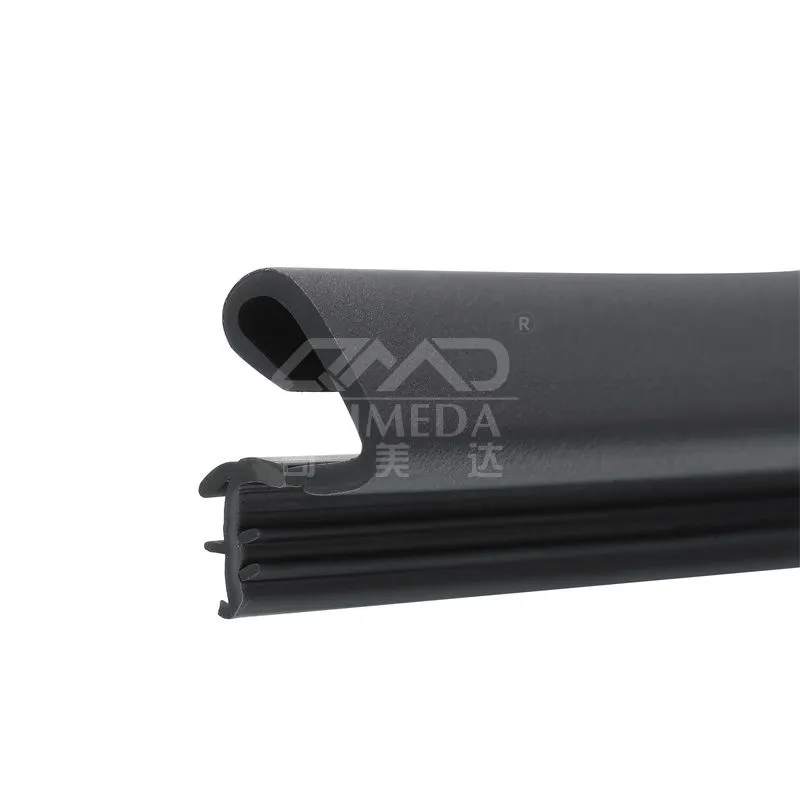
September 21, 2026
TPE Sealing Strips vs PVC Door Bottom Seal: Key Differences Explained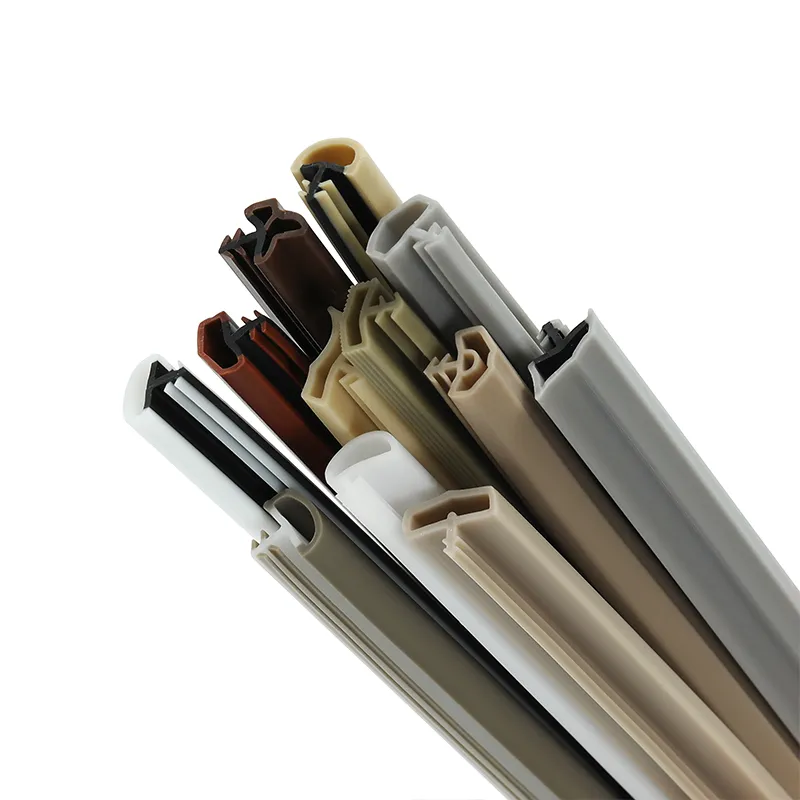
September 17, 2026
Can pu foam sealant be used for sealing around ducts?August 31, 2026
PP Edge Banding vs ABS Edge BandingAugust 28, 2026
Top PP Edge Banding Applications in FurnitureAugust 27, 2026
Top Features to Look for in Edge Banding ProductsAugust 26, 2026
Top PVC Edge Banding Colors for Modern FurnitureAugust 25, 2026
Edge Banding Quality Review for Furniture BuyersAugust 24, 2026
TPE Sealing Strip vs PVC Sealing StripAugust 24, 2026
Top PVC Edge Banding Design Trends