Blog
Blog
September 26, 2025
PP edge banding is made from polyethylene polymer, which offers flexibility, durability, and excellent resistance to moisture. This composition makes it a preferred choice for various woodworking applications.
PP edge banding provides numerous benefits, such as:
High impact resistance and durability.
Good color consistency and a shiny finish.
Resistant to chemicals and moisture.
Under high temperatures, PP edge banding can soften, leading to distortion and warping. It is crucial to evaluate the temperature thresholds of the edge banding material.
Temperature fluctuations can also affect the adhesive holding PP edge banding to the substrate. Weakening of the adhesive bond may occur at elevated temperatures.
Humidity can cause competitive absorption of moisture, which might result in swelling and compromised aesthetics. Regularly monitoring environmental conditions is essential.
High humidity levels can encourage the growth of mold and mildew on PP edge banding. Proper maintenance prevents such deterioration.
Perform standardized tests to assess the edge banding\'s performance under varying temperature and humidity conditions:
First Step: Set up a controlled testing environment.
Second Step: Expose samples to different temperature levels.
Third Step: Monitor humidity changes and observe the performance of the banding.
Conduct long-term studies to analyze the durability and maintenance requirements of PP edge banding under extreme conditions. Document changes over time for informed decisions.
When installing PP edge banding, the following tools are essential:
Edge banding machine or manual edge trimmer.
Hot melt glue or suitable adhesive.
Trimming knife or router for finishing edges.
Measuring tape for accurate dimensions.
Always clean and prepare the substrate surface thoroughly to ensure a strong adhesive bond. Failure to do so can lead to peeling over time.
Ignoring the influence of high temperature and humidity can severely impact the performance; always assess environmental conditions pre-installation.
In summary, understanding the performance of PP edge banding under high temperature and humidity is crucial for delivering durable and aesthetically pleasing furniture pieces. Brands like chimeda provide high-quality options that perform reliably even in challenging environments. Regular maintenance and proper installation practices are essential to maximizing longevity.


August 10, 2026
Edge Banding Thickness Guide: 0.4mm to 3mm
August 10, 2026
Tips for Applying Edge Banding Without Peeling
August 10, 2026
Why PVC Door Bottom Seals Improve Soundproofing
August 10, 2026
PP Edge Banding Product Review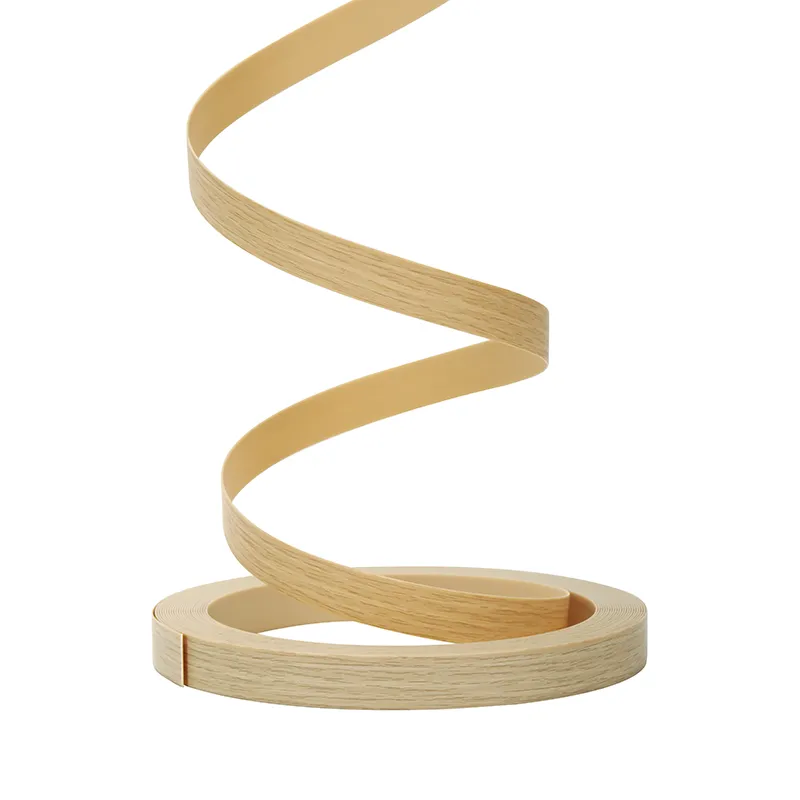
August 10, 2026
Table PVC Edge Banding Benefits for Daily Use Furniture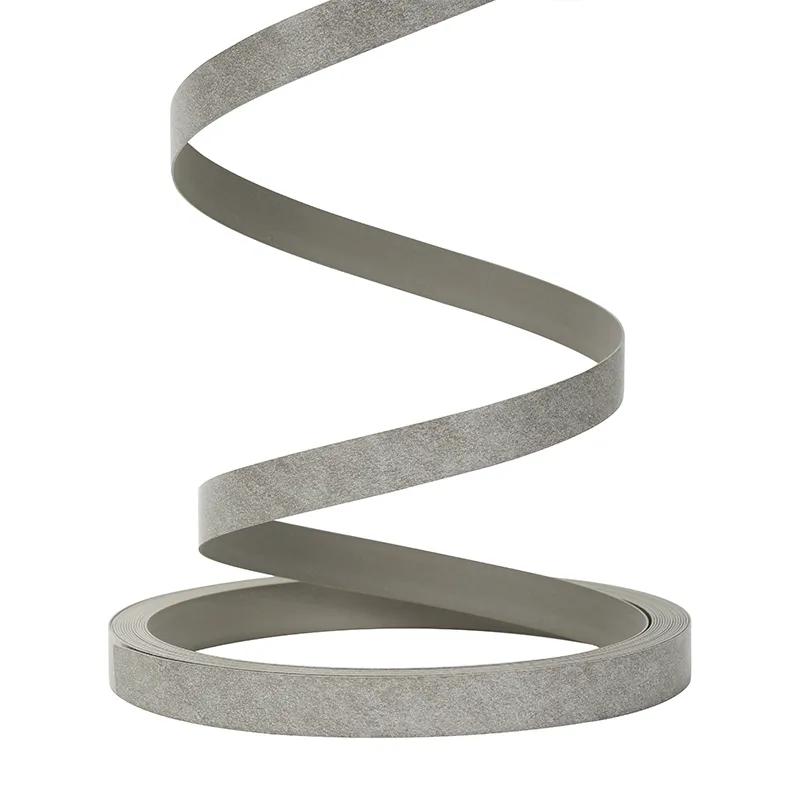
August 10, 2026
High Gloss Edge Banding vs Matte Edge Banding: What’s the Difference?
August 07, 2026
PVC Edge Banding vs Melamine Edge Banding
August 07, 2026
Tips for Processing ABS Edge Banding
August 07, 2026
PVC Door Bottom Seal Buying Guide
August 07, 2026
Cabinet PVC Edge Banding Applications in Kitchen Design