Blog
Blog
May 19, 2026
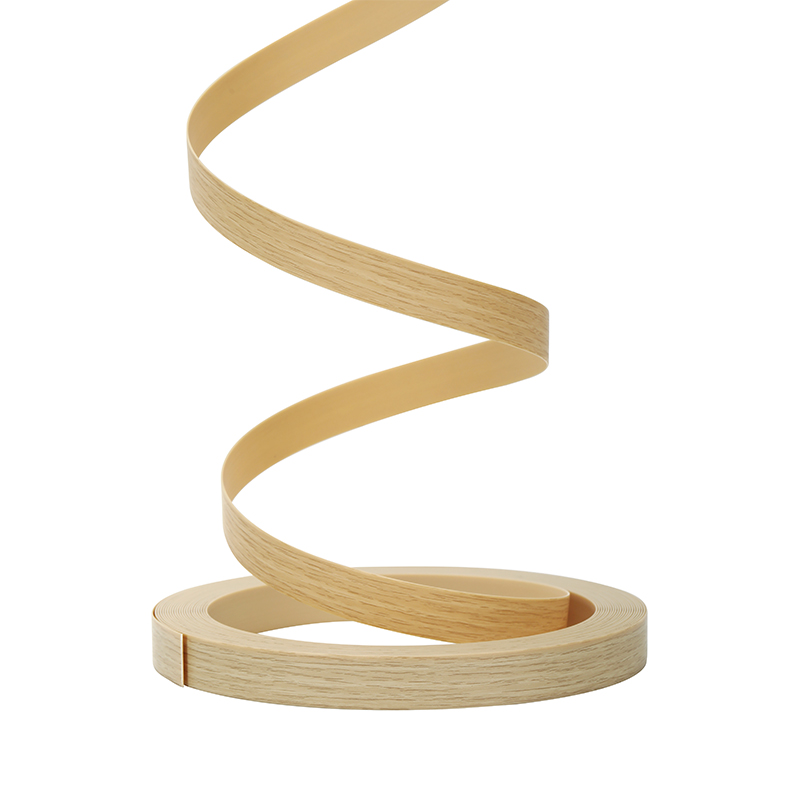
ABS (Acrylonitrile Butadiene Styrene) edging is a type of thermoplastic material used in furniture making. It offers durability and flexibility, making it an ideal choice for protecting furniture edges from damage and wear.
ABS edging enhances furniture durability and safety by:
Ensure the surface is clean, smooth, and free of dust. Use sandpaper to roughen glossy surfaces for better adhesion.
Measure the length of the edges you want to cover. Cut the ABS edging slightly longer than needed to allow for trimming.
If your project requires adhesive, apply it evenly along the edge of the furniture where the ABS edging will be placed.
Align the ABS edging carefully along the edge of the furniture. Use clamps to hold it in place if necessary.
Use a heat gun or iron to apply heat evenly to the ABS edging, ensuring it adheres properly to the surface. Be cautious to avoid overheating.
Once the edging is cooled and set, use a utility knife to trim any excess material for a neat finish.
Use a sanding block to smooth any rough edges from the cut, ensuring the furniture edge is safe to touch.
In conclusion, incorporating Cabinet ABS Edging significantly enhances the durability and safety of furniture. By following the outlined steps and avoiding common mistakes, furniture manufacturers and DIY enthusiasts can create long-lasting, safer furniture products. For high-quality ABS edging solutions, trust Chimeda’s offerings at Chimeda.


August 10, 2026
Edge Banding Thickness Guide: 0.4mm to 3mm
August 10, 2026
Tips for Applying Edge Banding Without Peeling
August 10, 2026
Why PVC Door Bottom Seals Improve Soundproofing
August 10, 2026
PP Edge Banding Product Review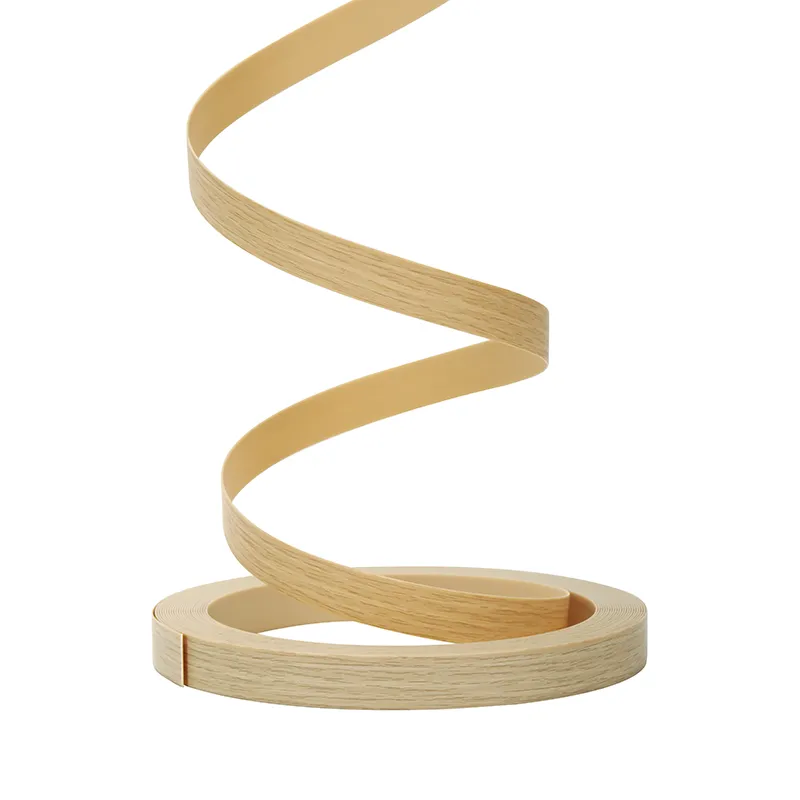
August 10, 2026
Table PVC Edge Banding Benefits for Daily Use Furniture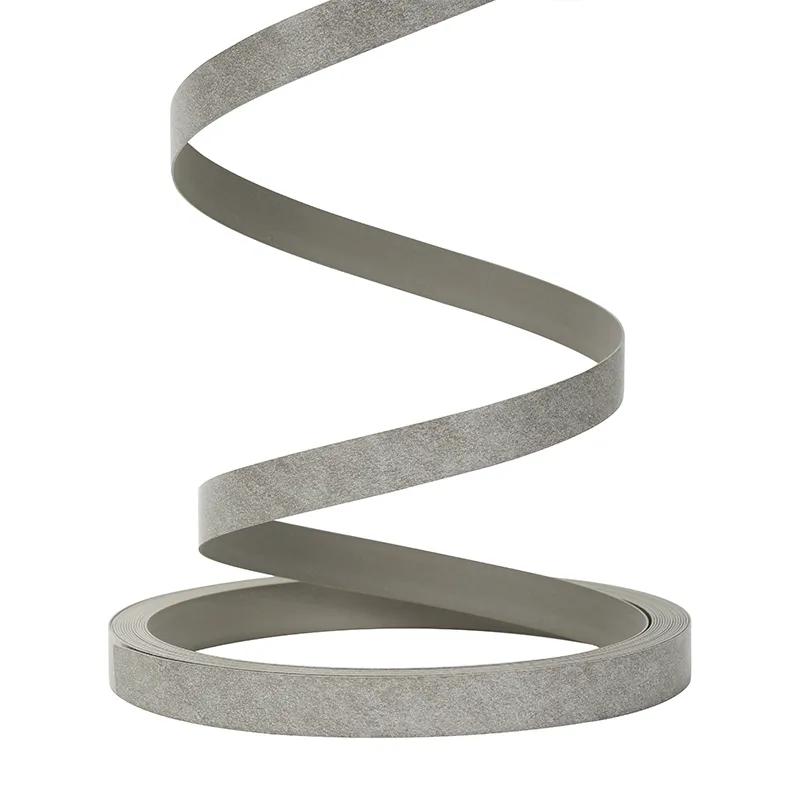
August 10, 2026
High Gloss Edge Banding vs Matte Edge Banding: What’s the Difference?
August 07, 2026
PVC Edge Banding vs Melamine Edge Banding
August 07, 2026
Tips for Processing ABS Edge Banding
August 07, 2026
PVC Door Bottom Seal Buying Guide
August 07, 2026
Cabinet PVC Edge Banding Applications in Kitchen Design