Blog
Blog
July 17, 2026
Choosing the right furniture manufacturing materials is one of the most critical decisions for furniture manufacturers, OEM suppliers, wholesalers, and interior design companies. The material you select directly influences product durability, production costs, appearance, sustainability, and customer satisfaction.
With growing demand for eco-friendly furniture, customized interiors, and premium finishes, manufacturers must balance performance, aesthetics, regulatory compliance, and budget. This Guide compares the most common furniture materials and provides practical recommendations for buyers.
Whether you manufacture kitchen cabinets, wardrobes, office furniture, hotel furniture, or custom home furnishings, this guide will help you choose the best material for your projects.
Material selection affects every stage of furniture production—from machining and edge finishing to painting, durability, transportation, and long-term maintenance.
Choosing the right furniture manufacturing material can help manufacturers:
Improve product quality
Reduce production costs
Increase manufacturing efficiency
Meet environmental regulations
Extend furniture lifespan
Enhance customer satisfaction
Poor material selection often results in higher warranty claims, increased waste, and lower customer confidence.
Professional buyers usually evaluate:
Material strength
Surface finish
Moisture resistance
Machining performance
Environmental certification
Cost-effectiveness
Availability
Application scenario
Today's furniture industry uses various engineered wood products and decorative materials. Each offers different advantages depending on the application.
Advantages
Premium appearance
Long service life
High strength
Natural texture
Disadvantages
Higher cost
Sensitive to humidity
Requires regular maintenance
Best applications
Luxury furniture
Hotel furniture
Custom furniture
Advantages
Excellent dimensional stability
Good load-bearing capacity
Strong screw holding
Suitable for large panels
Disadvantages
Higher price than MDF
Edge treatment required
Best applications
Cabinets
Office furniture
Kitchen furniture
Advantages
Smooth surface
Easy painting
Uniform density
Good machining performance
Disadvantages
Lower moisture resistance
Lower screw holding strength
Best applications
Painted furniture
Decorative panels
Interior furniture
Advantages
Affordable
Lightweight
High production efficiency
Disadvantages
Lower durability
Limited moisture resistance
Best applications
Ready-to-assemble furniture
Budget furniture
Wardrobes
Advantages
Decorative finish
Scratch resistance
Easy cleaning
Multiple colors available
Disadvantages
Limited edge repair
Cannot be refinished easily
Best applications
Cabinets
Office furniture
Residential furniture
| Material | Strength | Moisture Resistance | Machining | Cost | Typical Application |
| Solid Wood | Excellent | Good | Moderate | High | Premium furniture |
| Plywood | Excellent | Good | Excellent | Medium-High | Cabinets |
| MDF | Good | Fair | Excellent | Medium | Painted furniture |
| Particle Board | Fair | Fair | Good | Low | Flat-pack furniture |
| Melamine Board | Good | Good | Good | Medium | Office furniture |
Different products require different performance characteristics.
Kitchen Cabinets
Recommended materials:
Moisture-resistant plywood
Melamine board
Waterproof MDF
Key requirements
Moisture resistance
Heat resistance
Easy cleaning
Recommended materials
MDF
Particle board
Solid wood
Focus on
Appearance
Cost control
Decorative finish
Recommended materials
Melamine board
Plywood
Key priorities
Wear resistance
Stability
Mass production efficiency
Recommended materials
High-quality plywood
Fire-rated panels
Decorative veneers
Requirements
Durability
Premium appearance
Compliance with commercial standards
Before placing an order, professional buyers should confirm the following:
✅ Material grade and specifications
✅ Moisture resistance level
✅ Surface finish quality
✅ Environmental certification
✅ Dimensional tolerance
✅ Supply capacity
✅ OEM/ODM support
✅ Quality inspection reports
✅ Packaging for export
✅ After-sales technical support
Using this checklist can help reduce procurement risks and improve long-term product quality.
Furniture manufacturing does not only depend on the main panels. Supporting materials such as edge banding, sealing strips, and furniture adhesives also play an important role in product durability, appearance, and production quality.
A complete material selection strategy should consider both the core structure and finishing components.
Furniture panels are the primary structural components used in cabinets, wardrobes, office furniture, and customized furniture.
Common panel materials include:
MDF panels
Particle board panels
Plywood panels
Melamine faced panels
When selecting furniture panels, manufacturers should consider:
Density and strength
Surface quality
Moisture resistance
Formaldehyde emission level
Machining compatibility
For large-scale production, stable panel quality helps improve CNC processing accuracy, assembly efficiency, and finished product consistency.
Edge banding materials are essential finishing components that cover exposed panel edges and improve both appearance and durability.
Common furniture edge banding materials include:
PVC edge banding
ABS edge banding
Acrylic edge banding
PP edge banding
High-quality edge banding provides:
Better moisture protection
Improved impact resistance
Cleaner appearance
Longer furniture lifespan
For modern furniture manufacturing, proper edge banding selection is especially important for cabinets, wardrobes, office desks, and customized furniture.
Furniture sealing strips help improve protection, comfort, and product performance.
They are commonly used in:
Cabinet doors
Wardrobe systems
Glass furniture
Kitchen furniture
Important properties include:
Elasticity
Aging resistance
Noise reduction
Dust protection
Moisture sealing performance
Materials such as PVC sealing strips, TPE sealing strips, and other flexible sealing materials are selected according to different application requirements.
Furniture adhesives are critical for bonding different components during manufacturing.
Common adhesive types include:
PUR hot melt adhesive
EVA hot melt adhesive
Water-based adhesives
Wood adhesives
The right adhesive can improve:
Bonding strength
Heat resistance
Moisture resistance
Production efficiency
For automated furniture production lines, adhesive selection should match equipment requirements, material types, and final application conditions.
A kitchen cabinet manufacturer producing furniture for overseas residential projects faced quality issues during mass production. The main problems included edge lifting after long-term use, moisture penetration at panel edges, and inconsistent finishing quality between production batches.
After analyzing the production process, the manufacturer optimized the material combination by upgrading:
PVC edge banding materials with better thickness consistency and surface durability
TPE sealing strips for improved door sealing performance
PUR hot melt adhesive to achieve stronger bonding and better heat and moisture resistance
After implementing the improved material solution, the manufacturer achieved:
More stable edge bonding performance
Better moisture protection for cabinet panels
Reduced after-sales complaints related to edge damage
Improved appearance consistency for exported furniture projects
This case shows that selecting suitable supporting materials such as edge banding, sealing strips, and furniture adhesives is essential for improving furniture durability and production quality.
For furniture manufacturers, material selection should not only focus on the main panel but also include every component that affects the final product performance.
Furniture manufacturers exporting internationally should understand major material compliance requirements.
| Standard | Main Market | Purpose |
| EPA TSCA Title VI | United States | Controls formaldehyde emissions from composite wood |
| CARB Phase 2 | United States / California | Limits formaldehyde emissions |
| E1/E0 Standard | Europe and international markets | Indoor air quality requirements |
| FSC Certification | Global markets | Responsible forest management |
Manufacturers exporting furniture should verify that their suppliers can provide relevant compliance documentation.
Choosing the right manufacturing partner is as important as selecting the right materials.
Chimeda provides professional furniture manufacturing solutions for global customers, including:
Customized furniture production
Material selection support
OEM and ODM services
Quality control management
Project-based manufacturing solutions
With experience in furniture production, Chimeda helps customers select suitable materials according to application requirements, market standards, and production goals.
Whether for residential furniture, commercial projects, or customized solutions, Chimeda provides reliable manufacturing support.
Looking for reliable furniture manufacturing solutions and professional material selection support?
Chimeda provides customized furniture solutions for global buyers, manufacturers, and project developers.
With professional production experience and quality-focused manufacturing processes, Chimeda helps customers choose suitable materials and create durable furniture products.
Email: info@qimeida.cn
Contact Chimeda today for a customized furniture manufacturing solution.


August 10, 2026
Edge Banding Thickness Guide: 0.4mm to 3mm
August 10, 2026
Tips for Applying Edge Banding Without Peeling
August 10, 2026
Why PVC Door Bottom Seals Improve Soundproofing
August 10, 2026
PP Edge Banding Product Review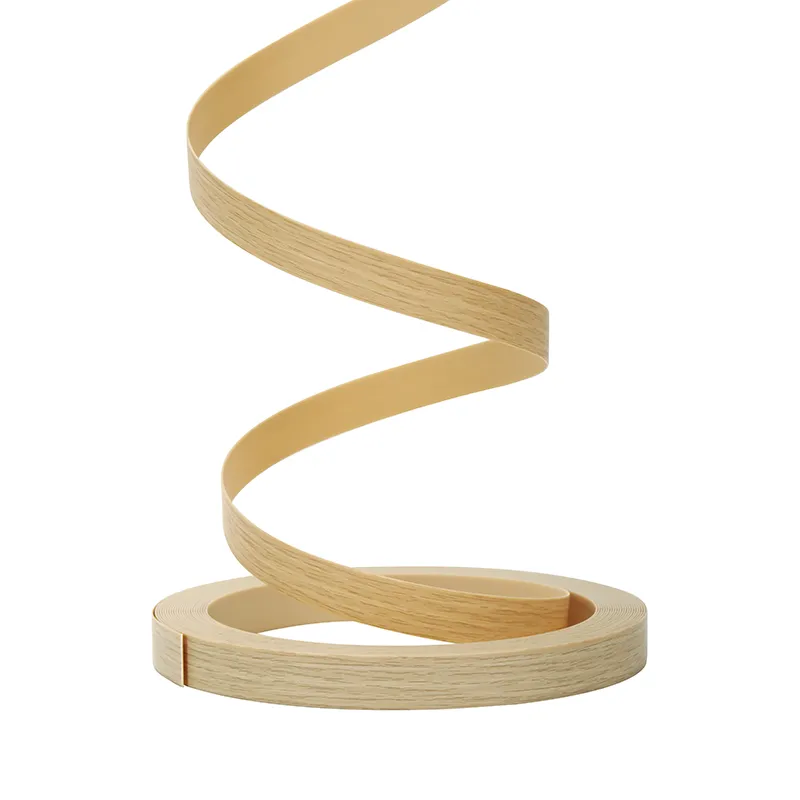
August 10, 2026
Table PVC Edge Banding Benefits for Daily Use Furniture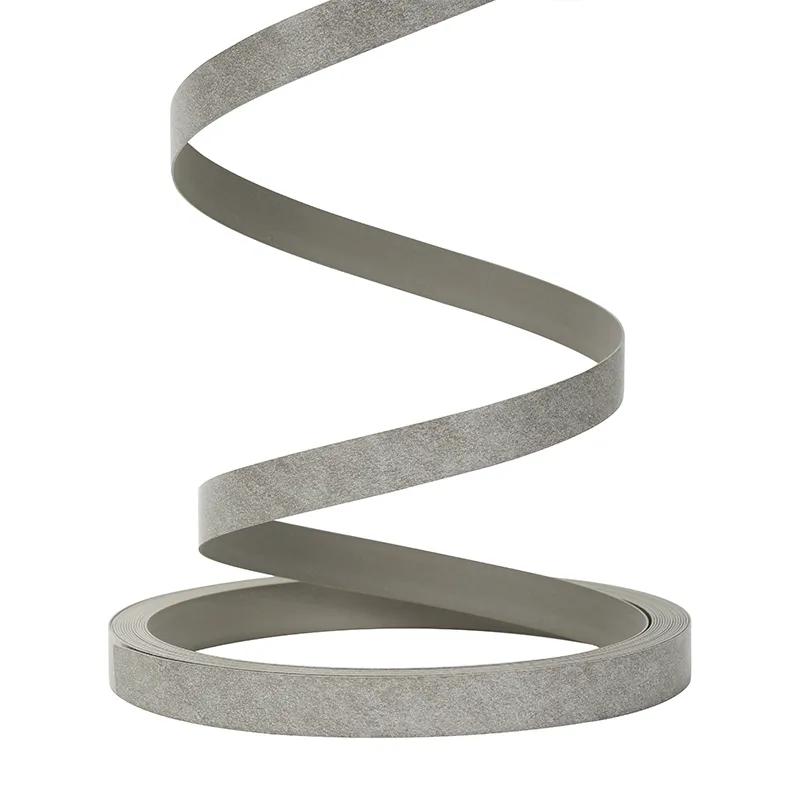
August 10, 2026
High Gloss Edge Banding vs Matte Edge Banding: What’s the Difference?
August 07, 2026
PVC Edge Banding vs Melamine Edge Banding
August 07, 2026
Tips for Processing ABS Edge Banding
August 07, 2026
PVC Door Bottom Seal Buying Guide
August 07, 2026
Cabinet PVC Edge Banding Applications in Kitchen Design