Blog
Blog
July 17, 2026
The furniture manufacturing industry is facing increasing pressure to adopt sustainable practices, particularly in choosing materials for edge banding. With rising consumer demand for eco-friendly options, manufacturers must address pain points associated with environmental impact and durability. For instance, traditional PVC edge banding often generates considerable waste and pollution. Brands like Chimeda are responding with innovative solutions such as bio-based edge banding materials that not only meet aesthetic demands but also align with sustainability goals.
The push for sustainability in furniture manufacturing is driven by several key factors. Consumer preferences have evolved rapidly; over 70% of consumers express a willingness to pay more for sustainable products, according to a survey by Nielsen (2020). This is compounded by regulatory changes and increased corporate responsibility, leading manufacturers to invest in innovative edge banding materials like those derived from recycled wood fibers or plant-based plastics. Innovations such as self-adhesive edge banding are also on the rise, facilitating easier application and reducing waste during production.
Recent studies indicate that market demand for bio-based edge banding materials has increased by 45% from 2020 to 2023. This growth is primarily driven by consumers' desires for products made from renewable resources. High-quality bio-based options can now mimic the aesthetic of traditional materials while significantly reducing the carbon footprint associated with production.
The trend toward incorporating recycled materials into edge banding is rapidly gaining traction. According to a report by Grand View Research (2021), the recycled plastic market is expected to reach approximately USD 60 billion by 2027, with furniture edge banding being a significant contributing factor. Since 2019, numerous companies have successfully implemented upcycled options, resulting in waste reduction of up to 30% in their operations.
Advancements in adhesive technologies are providing manufacturers with improved functionalities. New hot-melt adhesives offer stronger bonds and faster curing times, with efficiency levels enhanced by 25% compared to older methods. This not only elevates product performance but also minimizes the use of harmful solvents, aligning with environmental standards.
The rise of digital production techniques enables greater customization of edge banding options. A survey conducted by furniture design firm Eknow (2023) showed that 60% of consumers prefer personalized functionalities, allowing for both practical use and design expression. Manufacturers can now offer a broader range of colors, textures, and patterns in their edge banding solutions.
New edge banding technologies are not only environmentally friendly but also offer enhanced durability. Research from the International Wood Products Journal (2022) shows that bio-based edge banding can exhibit up to a 33% increase in tensile strength compared to conventional PVC options. This increased durability translates into longer-lasting products, reducing the frequency of replacements and thus lessening overall waste.
As sustainable furniture edge banding solutions continue to evolve, buyers are increasingly empowered in making choices that align with their values. The availability of eco-friendly options means consumers can now invest in products that contribute positively to the environment without compromising on style or functionality. To adapt, manufacturers need to be proactive in educating buyers about the advantages of these innovative materials, which can significantly influence purchasing decisions.
Manufacturers considering a shift towards sustainable edge banding should:
What is furniture edge banding?
Furniture edge banding is a thin strip of material applied to the edges of furniture panels to cover and protect exposed surfaces, providing a finished look and preventing damage.
What materials are commonly used for edge banding?
Common materials for edge banding include PVC, wood veneer, and melamine, but sustainable options are increasingly gaining popularity such as bio-based and recycled materials.
How does using sustainable edge banding benefit the environment?
Using sustainable edge banding reduces landfill waste, conserves natural resources, and decreases the carbon footprint associated with production, contributing to a more eco-friendly manufacturing process.


July 17, 2026
Furniture Manufacturing Material Selection Guide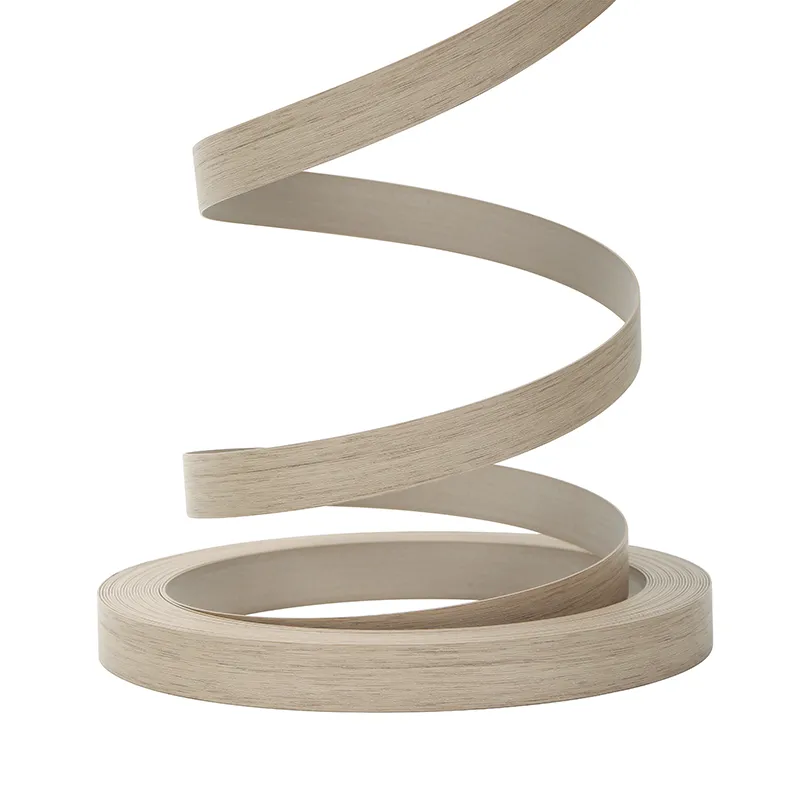
July 17, 2026
Furniture Edge Banding Trends in Sustainable Manufacturing
July 15, 2026
Trends in Edge Banding for Modern Furniture Design
July 09, 2026
Thick Edge Banding vs Thin Edge Banding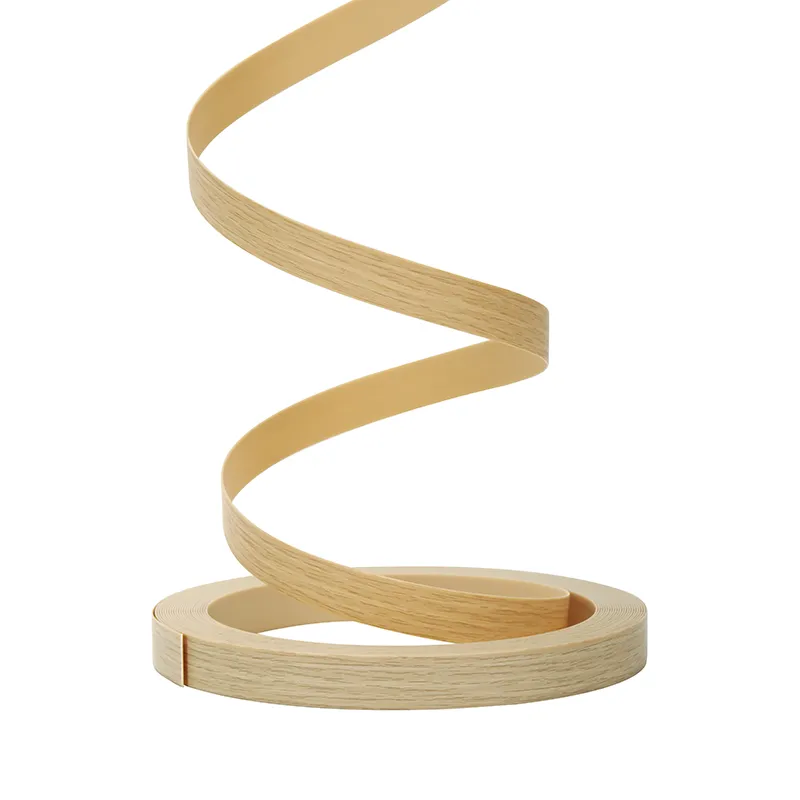
July 08, 2026
Tips for Installing High Gloss Edge Banding Smoothly
July 02, 2026
Energy Efficient Weatherstripping Systems for Doors and Windows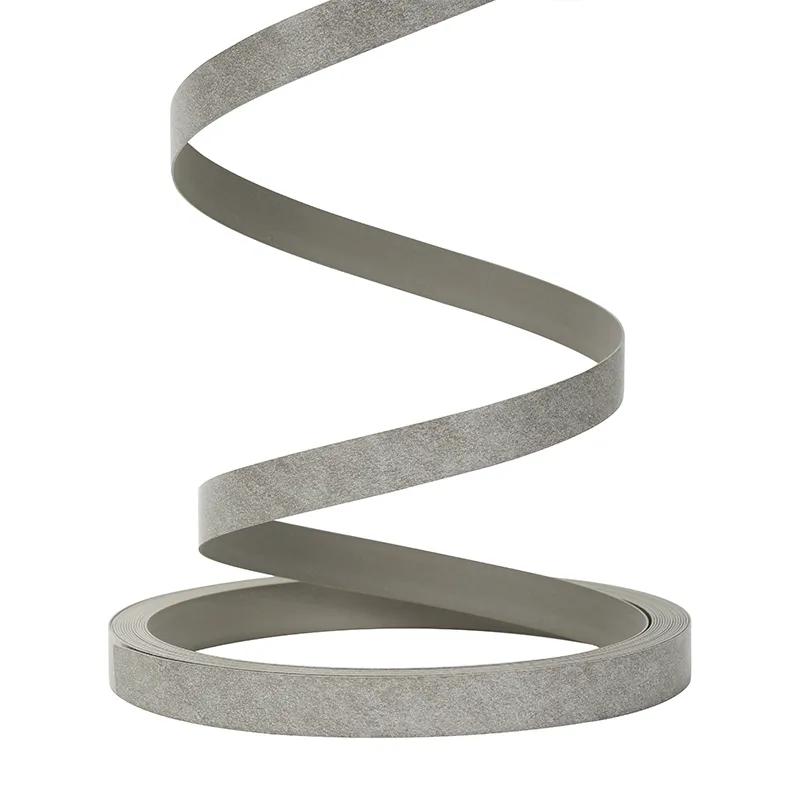
July 01, 2026
What Is Furniture PVC Edge Banding and Why Is It Important?
June 30, 2026
How to Choose Cabinet PVC Edge Banding for Kitchen Furniture
June 25, 2026
Why Chimeda is Your Trusted Edge Banding Manufacturer?
June 23, 2026
Why Table PVC Edge Banding Improves Furniture Durability