Blog
Blog
July 02, 2026
In modern construction, HVAC efficiency, and building energy management, weatherstripping systems play a critical role in preventing air leakage, improving insulation performance, and reducing energy consumption in residential, commercial, and industrial buildings.
For B2B buyers, contractors, and building material distributors, selecting the right weatherstripping seal solutions is essential for improving building energy efficiency, enhancing comfort, and reducing long-term operational costs.
Understanding weatherstripping types, materials, installation applications, and supplier capability is key to optimizing procurement decisions in the global building materials market.
Weatherstripping refers to sealing materials installed around doors, windows, and other building openings to block air, dust, moisture, and noise infiltration.
It is widely used in:
Exterior doors and entry systems
Windows and sliding door frames
Commercial building entrances
Industrial enclosures and equipment cabinets
HVAC energy efficiency systems
For B2B procurement teams, weatherstripping directly impacts:
Building energy efficiency performance
Heating and cooling cost reduction
Indoor comfort and air quality
Noise and dust control effectiveness
Long-term maintenance and replacement cycles
Why is weatherstripping important for modern buildings?
Because uncontrolled air leakage can significantly increase energy consumption and reduce HVAC system efficiency.

Foam strips are commonly used for low-cost sealing applications.
B2B characteristics:
Easy installation
Cost-effective solution
Suitable for residential and light commercial use
Limited durability compared to premium materials
Rubber seals offer better durability and flexibility under temperature changes.
Applications:
Exterior doors
Window frames
High-contact sealing areas
Why choose rubber weatherstripping for industrial projects?
Because it provides long-lasting compression resistance and better environmental durability.
Silicone-based seals offer superior flexibility and extreme temperature resistance.
Advantages:
High UV resistance
Long service life
Excellent sealing performance
Best for: high-end commercial buildings and extreme climate conditions
Metal-reinforced strips provide structural strength and durability.
Applications:
Heavy-duty exterior doors
Industrial entrances
High-traffic commercial buildings
Brush seals are used for sliding doors and uneven surface gaps.
Advantages:
Flexible sealing for moving systems
Ideal for sliding windows and doors
Reduces dust and airflow leakage
Weatherstripping is widely applied across:
Residential housing doors and windows
Commercial office buildings
Hotels and hospitality facilities
Industrial warehouses and factories
HVAC system enclosures
Cold storage and refrigerated environments
Where does weatherstripping deliver the highest ROI in building systems?
It delivers the highest return in energy-intensive buildings where air leakage control directly reduces HVAC operating costs.
For B2B buyers, performance depends on material engineering quality.
Key factors include:
Compression resistance and recovery rate
Temperature stability under extreme conditions
UV and aging resistance
Adhesion strength for adhesive-backed systems
Water and dust sealing performance
What determines the durability of weatherstripping systems?
Material composition and long-term elasticity performance are the most important factors.
Many buyers face performance issues due to incorrect selection.
Common mistakes include:
Choosing low-density foam for high-traffic doors
Ignoring temperature expansion and contraction factors
Using indoor-grade materials for exterior applications
Overlooking frame compatibility and gap size measurement
Selecting low-quality adhesive systems with weak bonding strength
Why do weatherstripping failures happen in building applications?
Because of mismatched material selection and improper installation conditions.
For B2B procurement, supplier reliability determines long-term sealing performance.
Key supplier evaluation criteria include:
Material testing and performance certification
UV and weather resistance validation
Custom profile extrusion capability
OEM packaging and private label support
Stable production and export capacity
Consistent dimensional accuracy control
What should buyers look for in a weatherstripping manufacturer?
Durability testing, material consistency, and customization capability are the most critical factors.
The global weatherstripping market is growing due to:
Increasing demand for energy-efficient buildings
Rising HVAC operational cost optimization needs
Green building certification requirements
Expansion of residential and commercial construction projects
Strong demand for retrofit and renovation sealing solutions
High-performance silicone and rubber weatherstripping systems are replacing traditional foam-based solutions in premium applications.
Chimeda is a professional manufacturer and supplier of weatherstripping sealing systems designed for doors, windows, and industrial building applications.
We support:
Full range of foam, rubber, silicone, and brush weatherstripping
OEM and private label production for distributors
Custom profiles for door and window systems
Bulk supply for construction and building material wholesalers
Global export and long-term supply agreements
Why choose Chimeda weatherstripping solutions for procurement projects?
Because Chimeda focuses on material durability, sealing performance, and scalable manufacturing for global B2B buyers.
Looking for a reliable weatherstripping supplier for doors, windows, or building energy efficiency projects?
Chimeda provides:
High-performance sealing systems for all applications
OEM customization and private labeling
Competitive factory pricing for bulk orders
Stable global supply chain and export support
Technical support for construction and retrofit projects
Contact our sales team today for product specifications, catalog, and quotation.
Email: info@qimeida.cn


August 10, 2026
Edge Banding Thickness Guide: 0.4mm to 3mm
August 10, 2026
Tips for Applying Edge Banding Without Peeling
August 10, 2026
Why PVC Door Bottom Seals Improve Soundproofing
August 10, 2026
PP Edge Banding Product Review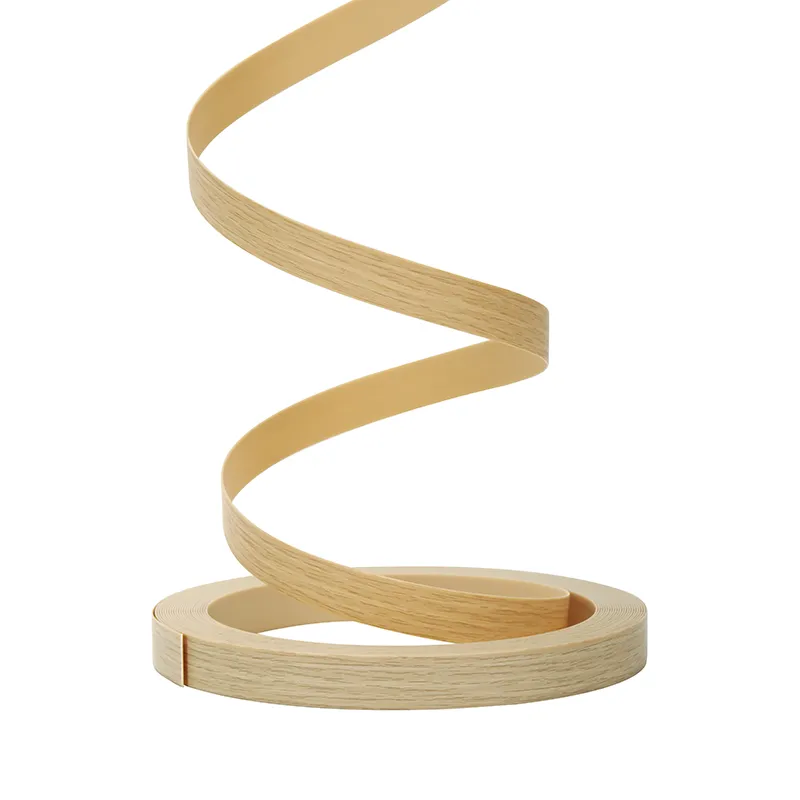
August 10, 2026
Table PVC Edge Banding Benefits for Daily Use Furniture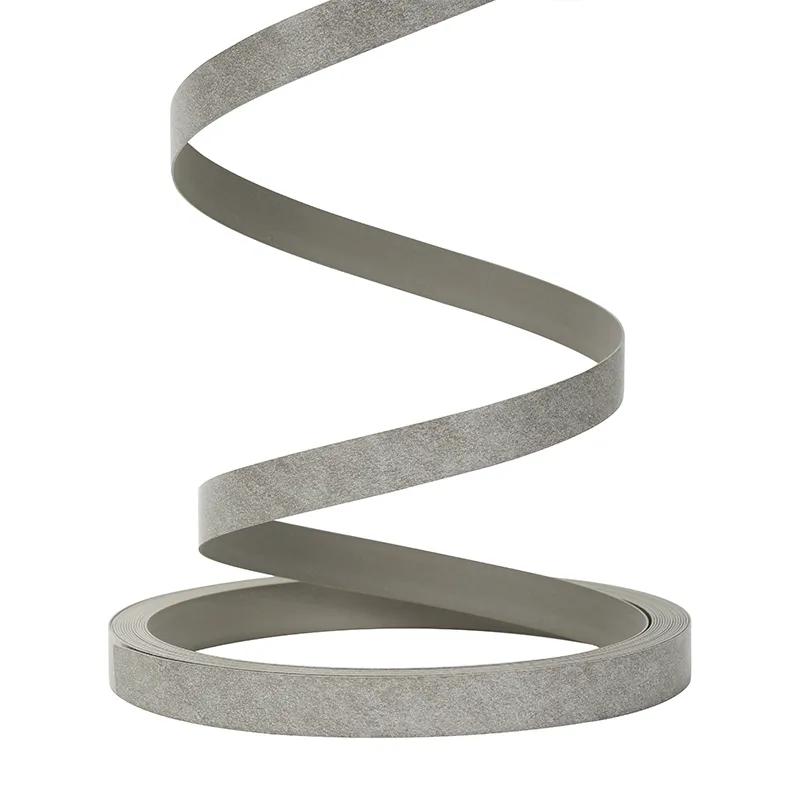
August 10, 2026
High Gloss Edge Banding vs Matte Edge Banding: What’s the Difference?
August 07, 2026
PVC Edge Banding vs Melamine Edge Banding
August 07, 2026
Tips for Processing ABS Edge Banding
August 07, 2026
PVC Door Bottom Seal Buying Guide
August 07, 2026
Cabinet PVC Edge Banding Applications in Kitchen Design