Blog
Blog
March 03, 2026
In the world of interior design and construction, precision and durability are essential. Edge banding and sealing strips have emerged as critical components in finishing touches, providing sleek aesthetics and functional protection for edges of various materials. By addressing common pain points, such as wear resistance and moisture absorption, these products have become indispensable during renovations and new constructions. With a focus on enhancing durability and visual appeal, understanding these innovations can significantly improve project outcomes. This article provides insights into edge banding, sealing strips, and their effective applications in various interior fit-out projects.

Edge banding is a thin strip of material applied to the exposed edges of furniture, shelves, and cabinetry to enhance appearance and prevent damage. Common materials for edge banding include PVC, ABS, and wood veneer. Similarly, sealing strips are designed to provide an airtight and waterproof seal between surfaces, minimizing moisture exposure and improving energy efficiency.
The significance of these products extends beyond mere aesthetics; they play a crucial role in extending the lifespan of various materials in construction and furniture. Industry analysis reveals that approximately 30% of furniture deterioration is attributed to edge damage and moisture absorption (source: Furniture Research Journal).
Edge banding and sealing strips are widely used across several sectors:
Residential Projects: In home renovations, edge banding provides a clean finish for cabinetry, enhancing not only the visual appeal but also durability. For instance, kitchens and bathrooms greatly benefit from sealing strips to prevent water damage.
Commercial Spaces: Offices and retail environments utilize edge banding for workstations and displays. Sealing strips help maintain heat and air conditioning efficiency, crucial for energy management in commercial buildings.
Industrial Applications: Factories and warehouses use edge banding on storage solutions, while sealing strips can reduce contamination risks by ensuring airtight seals in various manufacturing processes.
The importance of edge banding and sealing strips cannot be overstated. According to a report by the National Institute of Standards and Technology, projects utilizing edge banding experience up to a 25% reduction in maintenance costs due to enhanced durability. Sealing strips contribute to eliminating up to 98% of moisture intrusion, offering profound benefits in moisture-prone areas.
Furthermore, well-finished edges can increase the perceived value of furniture by as much as 40%, delivering an impactful ROI on interior projects. The combination of these products not only enhances structural integrity but ensures visual continuity, making it a win-win for both aesthetic and functional demands.
For those interested in implementing edge banding and sealing strips in their projects, it’s essential to understand the application processes thoroughly. Reading user guides specific to these products is highly recommended, along with consulting with manufacturers or experts for tailored advice.
If you\'re looking for quality edge banding and sealing strip solutions, consider brands like chimeda, known for their reliability and superior product options. Engaging with their product demos can provide deeper insights into the practicalities of edge banding and sealing strips.
1. What materials are commonly used for edge banding?
Edge banding can be made from various materials, including PVC, ABS, and melamine, tailored for specific functionality and appearance.
2. How do sealing strips contribute to energy efficiency?
Sealing strips minimize air leaks, which helps maintain controlled internal temperatures, ultimately leading to reduced energy costs.
3. Can edge banding be applied to curved surfaces?
Yes, many edge banding products are designed to be flexible, allowing for application on both straight and curved edges.
4. How can I ensure proper adhesion of sealing strips?
Surface preparation is crucial for optimal adhesion; ensure surfaces are clean and dry before application.
5. Where can I find tutorials on applying these products?
Many manufacturers, including chimeda, offer instructional videos and product guides on their websites to assist users in proper application techniques.
Overall, understanding edge banding and sealing strips can significantly enhance the quality and longevity of interior fit-out projects. Consider exploring product options and user guides to maximize the effectiveness of your installations.


August 10, 2026
Edge Banding Thickness Guide: 0.4mm to 3mm
August 10, 2026
Tips for Applying Edge Banding Without Peeling
August 10, 2026
Why PVC Door Bottom Seals Improve Soundproofing
August 10, 2026
PP Edge Banding Product Review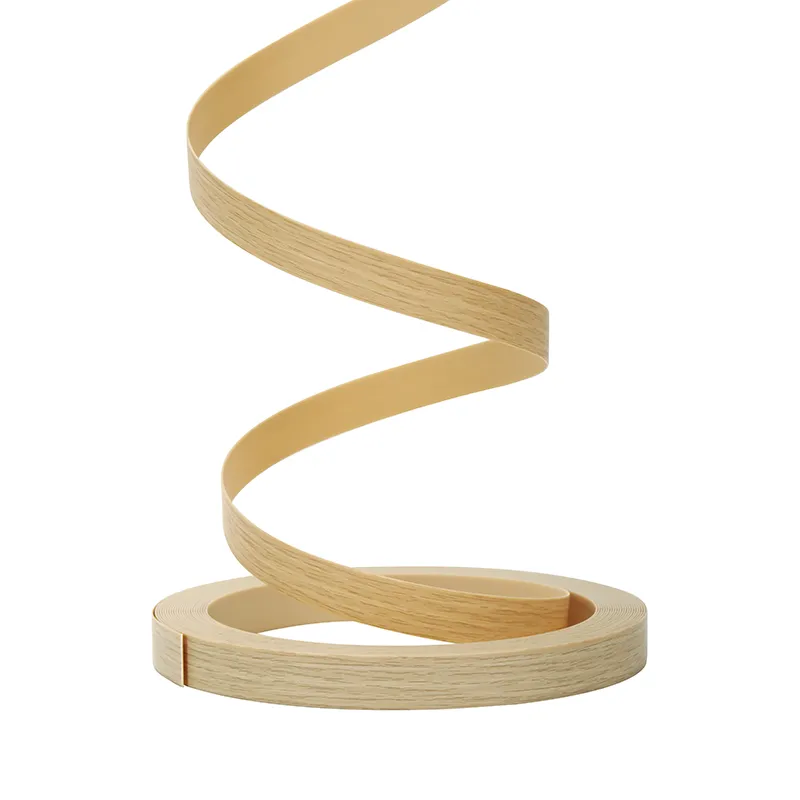
August 10, 2026
Table PVC Edge Banding Benefits for Daily Use Furniture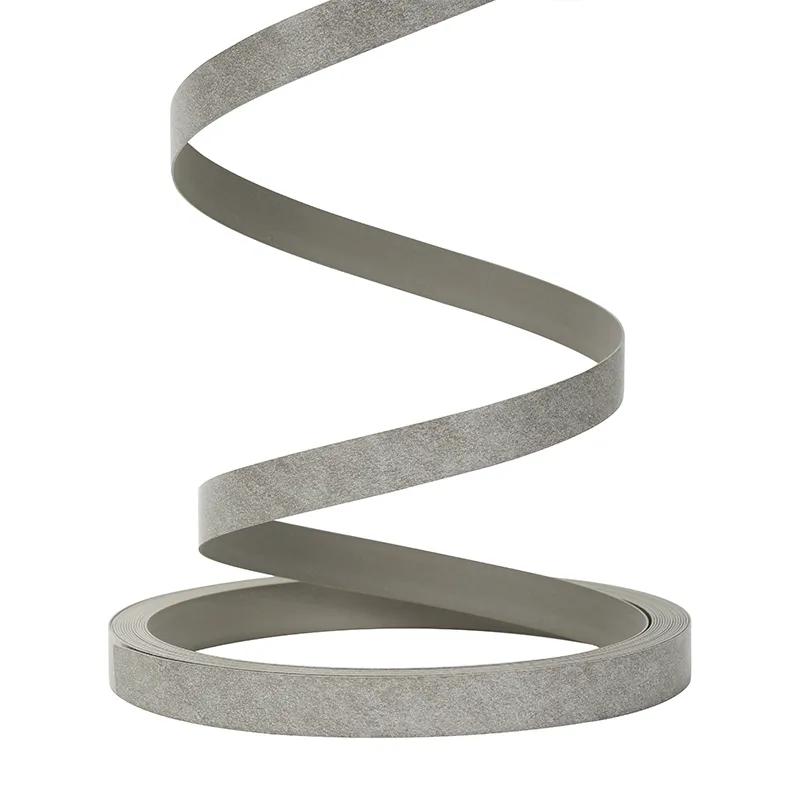
August 10, 2026
High Gloss Edge Banding vs Matte Edge Banding: What’s the Difference?
August 07, 2026
PVC Edge Banding vs Melamine Edge Banding
August 07, 2026
Tips for Processing ABS Edge Banding
August 07, 2026
PVC Door Bottom Seal Buying Guide
August 07, 2026
Cabinet PVC Edge Banding Applications in Kitchen Design