Blog
Blog
March 02, 2026
Weather strips are flexible, sealing materials typically made from rubber, foam, or vinyl. They are designed to fill gaps around doors and windows, preventing drafts, moisture, and dust from entering a building.
• Sealing gaps around exterior doors
• Insulating windows to improve energy efficiency
• Enhancing comfort by reducing air leaks
Sealing strips are materials used to create an airtight or watertight seal in various applications, such as plumbing, automotive, and home appliances. They may be made from rubber, foam, or silicone.
• Sealing seams in windows and doors
• Insulating appliances against leaks
• Adding a barrier to plumbing fixtures to prevent leaks
Weather strips are primarily designed for outdoor conditions, while sealing strips may be used both indoors and outdoors. Weather strips focus on flexibility and durability against environmental elements.
• Weather strips are meant to prevent drafts and regulate temperature.
• Sealing strips are primarily intended to prevent leaks, moisture, and other types of contamination.
| Parameter | Weather Strips | Sealing Strips |
|---|---|---|
| Material | Rubber, Foam, Vinyl | Rubber, Foam, Silicone |
| Durability | Weather-resistant | Varies by material |
| Flexibility | High | Medium to High |
| Typical Uses | Doors, Windows | Plumbing, Appliances, Seams |
Weather strips do not require batteries, while sealing strips are often integrated into devices which may involve performance metrics like lifespan based on product type.
• Weather strips are generally easy to install without professional help.
• Sealing strips may require additional tools or professional installation in complex applications.
Advantages:
• Improves energy efficiency
• Cost-effective solutions
• Reduces noise from outside
Disadvantages:
• Can wear over time if exposed to sunlight
• May require seasonal maintenance
Advantages:
• Provides strong seal against air and water leaks
• Available in a variety of materials for different applications
Disadvantages:
• Installation can be complicated
• Potential for chemical degradation
Weather strips are ideal for homeowners looking to improve energy efficiency and comfort in their living spaces, especially in regions with extreme weather conditions.
Sealing strips are recommended for anyone needing to prevent leaks in appliances, plumbing, or automotive applications where a tight seal is essential.
In conclusion, understanding the differences between weather strips and sealing strips, along with their respective advantages and applications, allows you to choose the right product for your specific needs. For premium weather strips, consider our brand, chimeda, and improve your home’s insulation today!


August 10, 2026
Edge Banding Thickness Guide: 0.4mm to 3mm
August 10, 2026
Tips for Applying Edge Banding Without Peeling
August 10, 2026
Why PVC Door Bottom Seals Improve Soundproofing
August 10, 2026
PP Edge Banding Product Review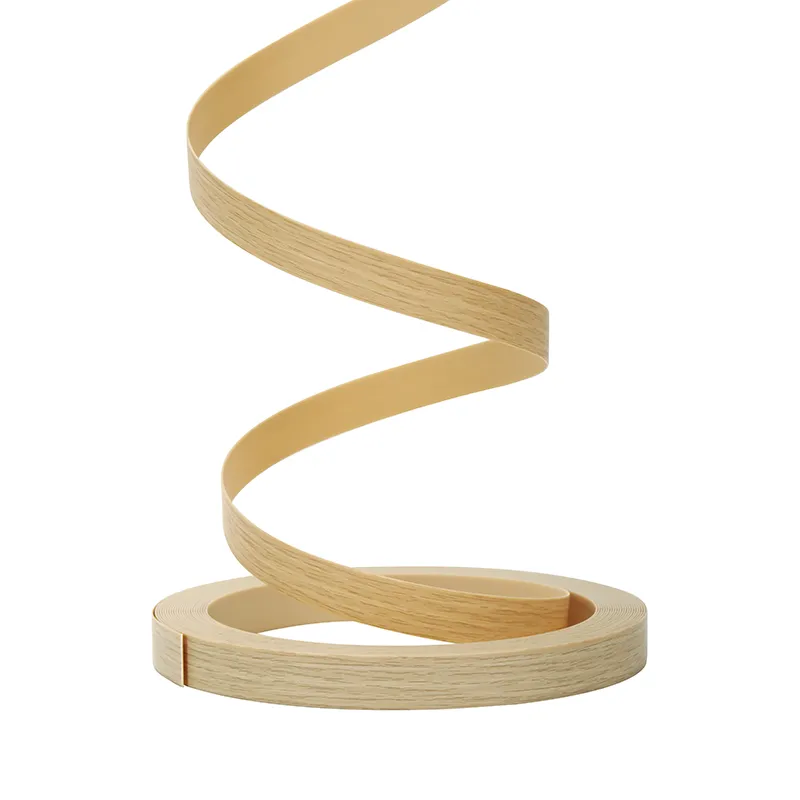
August 10, 2026
Table PVC Edge Banding Benefits for Daily Use Furniture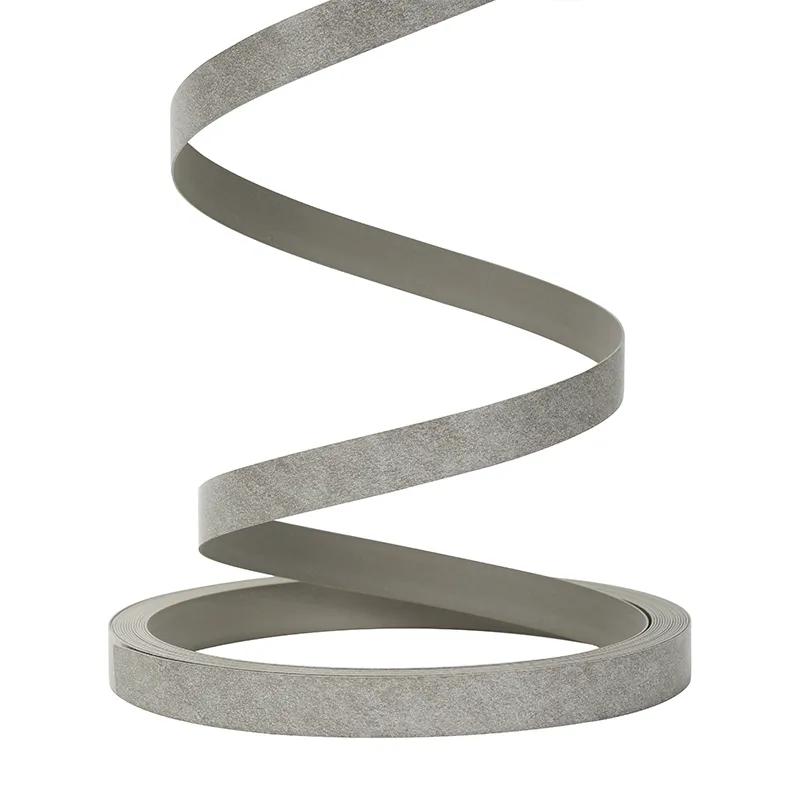
August 10, 2026
High Gloss Edge Banding vs Matte Edge Banding: What’s the Difference?
August 07, 2026
PVC Edge Banding vs Melamine Edge Banding
August 07, 2026
Tips for Processing ABS Edge Banding
August 07, 2026
PVC Door Bottom Seal Buying Guide
August 07, 2026
Cabinet PVC Edge Banding Applications in Kitchen Design