Blog
Blog
January 02, 2026
Edge banding is a process used to cover the exposed edges of materials like plywood and particleboard, enhancing both aesthetics and durability. It is crucial for achieving a professional finish in woodworking and furniture making.
Different materials are used for edge banding, each with distinct properties:
• PVC
• Melamine
• ABS
• Wood Veneer
• Thermofoil
Here is a comparative analysis of the cost per linear meter of different edge banding materials:
| Material | Cost (per linear meter) |
|---|---|
| PVC | $0.50 - $1.00 |
| ABS | $0.60 - $1.20 |
| Wood Veneer | $1.00 - $2.50 |
| Melamine | $0.80 - $1.50 |
| Thermofoil | $0.70 - $1.80 |
The stability and longevity of edge banding materials are paramount for quality woodworking. Consider the following:
• **PVC**: High resistance to moisture; generally durable.
• **ABS**: Stronger than PVC; higher impact resistance.
• **Wood Veneer**: Offers natural aesthetics but is more susceptible to damage.
• **Melamine**: Good in low-impact areas; moderate resistance to impact.
• **Thermofoil**: Effective for curved edges; sensitive to high heat.
Users have reported various experiences with edge banding materials. Here are some common insights:
• PVC: Excellent for frequent handling, but can fade over time.
• ABS: Highly favored for commercial applications due to durability.
• Wood Veneer: Valued for aesthetics but requires careful installation.
Weighing the advantages and disadvantages of each material can assist in making informed decisions:
• **PVC**
Advantages: Cost-effective, moisture-resistant.
Disadvantages: Prone to fading.
• **ABS**
Advantages: High durability, strong impact resistance.
Disadvantages: Slightly more expensive than PVC.
• **Wood Veneer**
Advantages: Natural finish, good aesthetic appeal.
Disadvantages: More susceptible to damage.
Understanding the target user group can help refine material choices:
• **PVC**: Ideal for budget-conscious projects, residential use.
• **ABS**: Best suited for commercial furniture needing durability.
• **Wood Veneer**: Recommended for high-end furniture makers prioritizing aesthetics.
In conclusion, selecting the right edge banding material is crucial for ensuring durability, aesthetic appeal, and cost-effectiveness. Consider your specific needs and application environments when making your choice. At chimeda, we offer a variety of edge banding solutions to cater to your woodworking needs


August 10, 2026
Edge Banding Thickness Guide: 0.4mm to 3mm
August 10, 2026
Tips for Applying Edge Banding Without Peeling
August 10, 2026
Why PVC Door Bottom Seals Improve Soundproofing
August 10, 2026
PP Edge Banding Product Review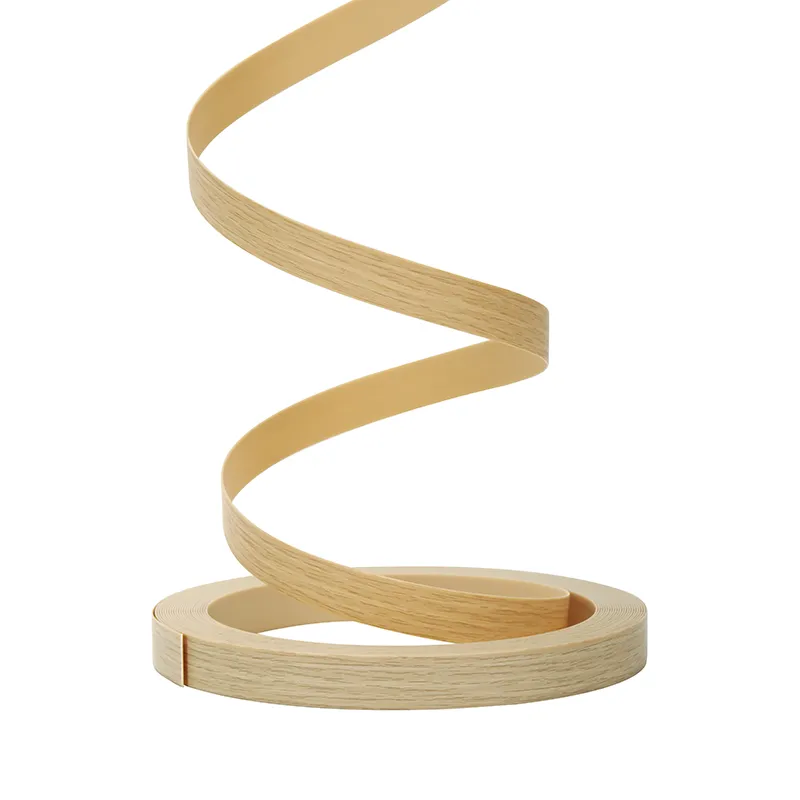
August 10, 2026
Table PVC Edge Banding Benefits for Daily Use Furniture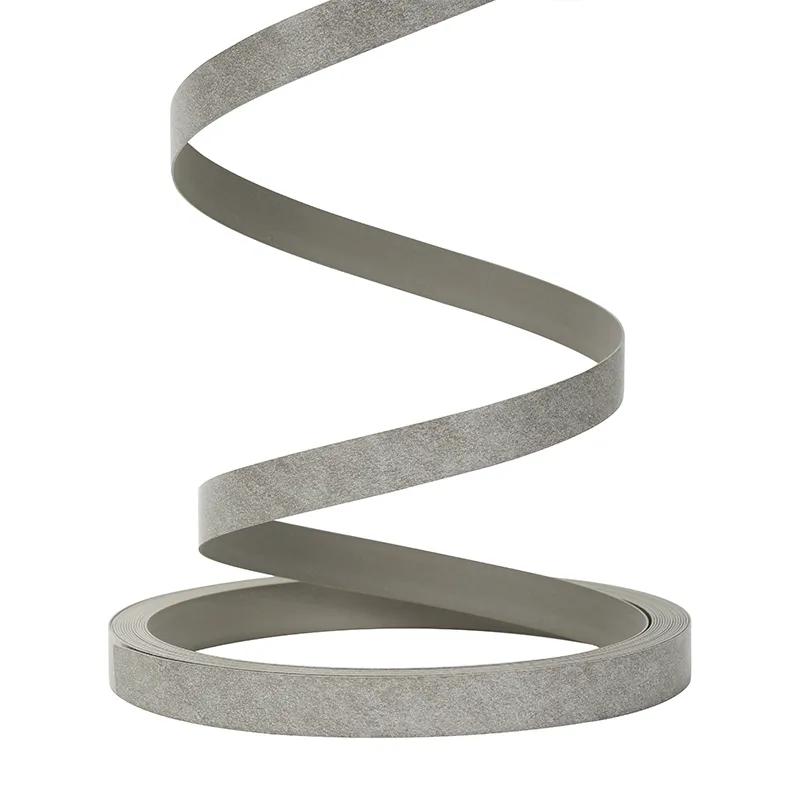
August 10, 2026
High Gloss Edge Banding vs Matte Edge Banding: What’s the Difference?
August 07, 2026
PVC Edge Banding vs Melamine Edge Banding
August 07, 2026
Tips for Processing ABS Edge Banding
August 07, 2026
PVC Door Bottom Seal Buying Guide
August 07, 2026
Cabinet PVC Edge Banding Applications in Kitchen Design