Blog
Blog
August 07, 2026
Cabinet PVC edge banding is an essential component in modern kitchen design, offering a practical and aesthetic solution for finishing cabinet edges. This material, made from polyvinyl chloride (PVC), is favored for its durability and versatility. In this article, we will explore various applications of PVC edge banding in kitchen design, discussing how it can enhance the overall look and longevity of kitchen cabinetry while being cost-effective and easy to apply.
Cabinet PVC edge banding involves applying a thin strip of PVC material to the exposed edges of particleboard or MDF (medium-density fiberboard). This process not only protects the particleboard from moisture but also provides a seamless, finished look. Common thicknesses range from 0.1 mm to 3 mm, allowing for flexibility in different designs. chimeda.com/data/watermark/main/20260121/6970451e1239d.jpg" alt="PVC Edge Banding" />
To maintain the aesthetic appeal and longevity of PVC edge banding, regular cleaning with non-abrasive materials is recommended. Avoid harsh chemicals that can degrade the material. Ensure that any water spills are wiped off promptly to prevent moisture intrusion.
Recent advancements in PVC technology have introduced eco-friendly options and variations that imitate natural wood grains. Manufacturers are now creating PVC edge banding that integrates recyclable materials, appealing to environmentally conscious consumers. This innovation reflects the growing trend towards sustainability in kitchen design.
As kitchen designs evolve, the demand for versatile and aesthetically pleasing materials continues to grow. PVC edge banding is poised to remain a popular choice due to its balance of performance and style. New designs incorporating digital printing and customizable textures could further expand its applications.
When selecting PVC edge banding for your kitchen design, consider the following factors:


August 10, 2026
Edge Banding Thickness Guide: 0.4mm to 3mm
August 10, 2026
Tips for Applying Edge Banding Without Peeling
August 10, 2026
Why PVC Door Bottom Seals Improve Soundproofing
August 10, 2026
PP Edge Banding Product Review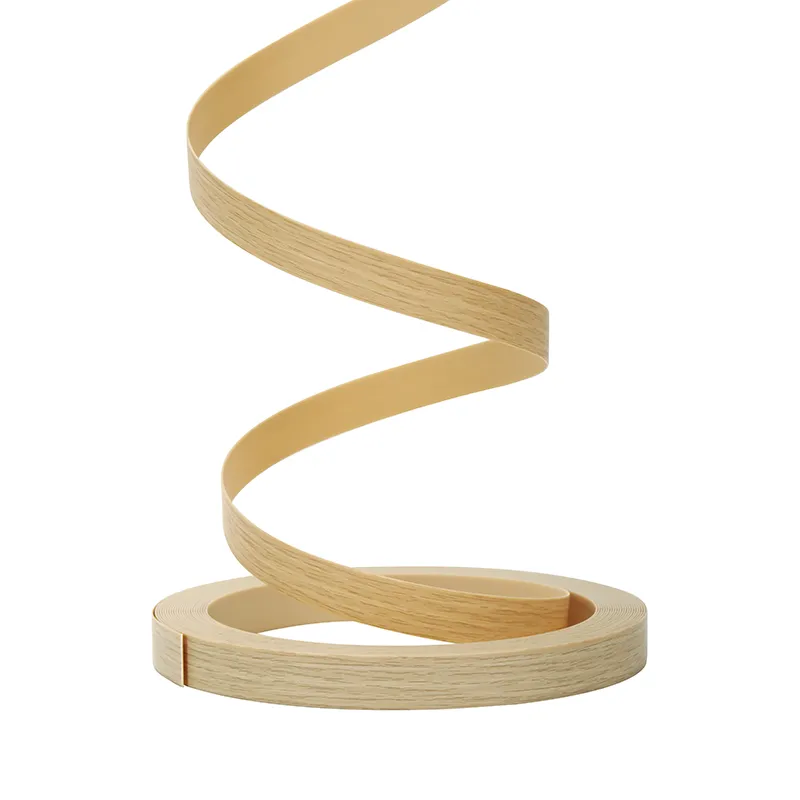
August 10, 2026
Table PVC Edge Banding Benefits for Daily Use Furniture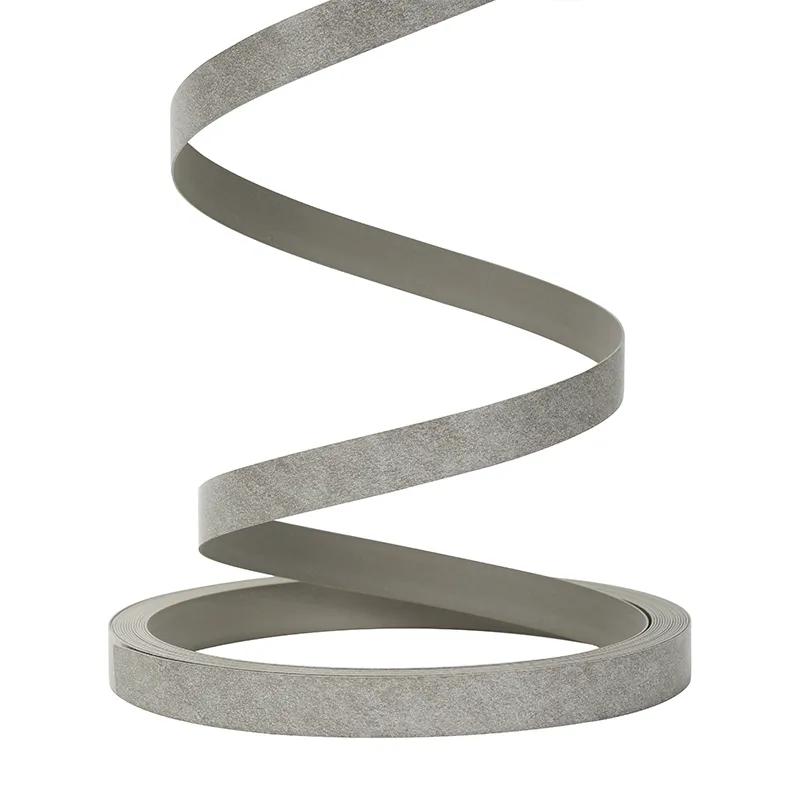
August 10, 2026
High Gloss Edge Banding vs Matte Edge Banding: What’s the Difference?
August 07, 2026
PVC Edge Banding vs Melamine Edge Banding
August 07, 2026
Tips for Processing ABS Edge Banding
August 07, 2026
PVC Door Bottom Seal Buying Guide
August 07, 2026
Cabinet PVC Edge Banding Applications in Kitchen Design