Blog

Blog

Beginner’s Guide to Choosing and Fitting PVC Door Bottom Seals

July 20, 2026

Are you struggling with drafts, noise, or unwanted pests entering your home through ill-fitted door gaps? This guide is designed for homeowners, DIY enthusiasts, and anyone interested in enhancing their living space with efficient sealing solutions. With a variety of options on the market, knowing how to choose the right PVC door bottom seal is crucial. In fact, poorly sealed doors can lead to a 25% increase in energy bills due to heat loss. Let's resolve these common pain points and provide an effective solution so that you can enjoy a comfortable, quiet, and secure home.

Understanding PVC Door Bottom Seals: Basics and Terminology

Before diving into the selection and fitting process, it’s essential to grasp some basic terminology and principles. PVC (Polyvinyl Chloride) door bottom seals are flexible strips that are installed on the bottom of doors to prevent drafts, moisture, and pests from entering your home. Key terms include:

  • Sealant: A material used to create barriers against air and moisture.
  • Compression: The force exerted by the seal against the door to ensure tight fit.
  • Thermal Performance: The effectiveness of a seal in preventing heat transfer.

These seals can offer thermal performance improvements of up to 30%, highlighting their crucial role in maintaining a comfortable indoor environment.

In-Depth Guide: Choosing and Fitting PVC Door Bottom Seals

Step 1: Measure the Door Gap

To choose the correct seal, start by measuring the gap between your door and the floor. Typically, a standard gap is about 1/4 inch, but this can vary. Using a tape measure can help you attain accurate dimensions.

Step 2: Choose the Right Type of Seal

There are various types of PVC door bottom seals, including:

  • Flat seals that lay flat against the door.
  • Dual-seal systems which offer added protection against both air and moisture.
  • Brush seals that use bristles to enhance sealing capability.

According to customer feedback, dual-seal systems have shown an improvement in energy efficiency by 20% compared to flat seals.

Step 3: Gather Necessary Tools

Before proceeding with installation, ensure you have the following tools at hand:

  • Measuring tape
  • Utility knife
  • Drill with a screwdriver bit
  • Level
  • Adhesive (if needed)

Step 4: Install the Seal

Follow these steps for an effective installation:

  1. Clean the door area where the seal will be attached to ensure proper adhesion.
  2. If applicable, cut the PVC seal to the measured width of your door using a utility knife.
  3. Align the seal with the bottom of the door, ensuring it fills the gap correctly.
  4. Use the drill to secure the seal, or apply adhesive if the design requires it.
  5. Finally, test the seal by opening and closing the door; it should not impede movement while effectively sealing the gap.

Actual user satisfaction ratings indicated a 95% effectiveness in reducing drafts when seals were properly installed.

FAQs: Common Questions About PVC Door Bottom Seals

Q1: How long do PVC door bottom seals last?
A1: With proper installation, PVC door bottom seals can last between 5 to 10 years, depending on factors like wear and environmental exposure.

Q2: Can I install the seal myself?
A2: Yes, with the right tools and measurements, installing a PVC door bottom seal is a manageable DIY project.

Q3: What is the cost range for a good quality PVC door bottom seal?
A3: Typically, quality seals can range from $10 to $50, depending on the design and type.

Advanced Skills and Extended Reading

To further improve the sealing performance, consider techniques like applying weatherstripping alongside your PVC door bottom seal. Research indicates that combining these two methods can yield a 40% reduction in air infiltration, enhancing your home's overall energy efficiency.

Conclusion: Recommended Products and Contact Information

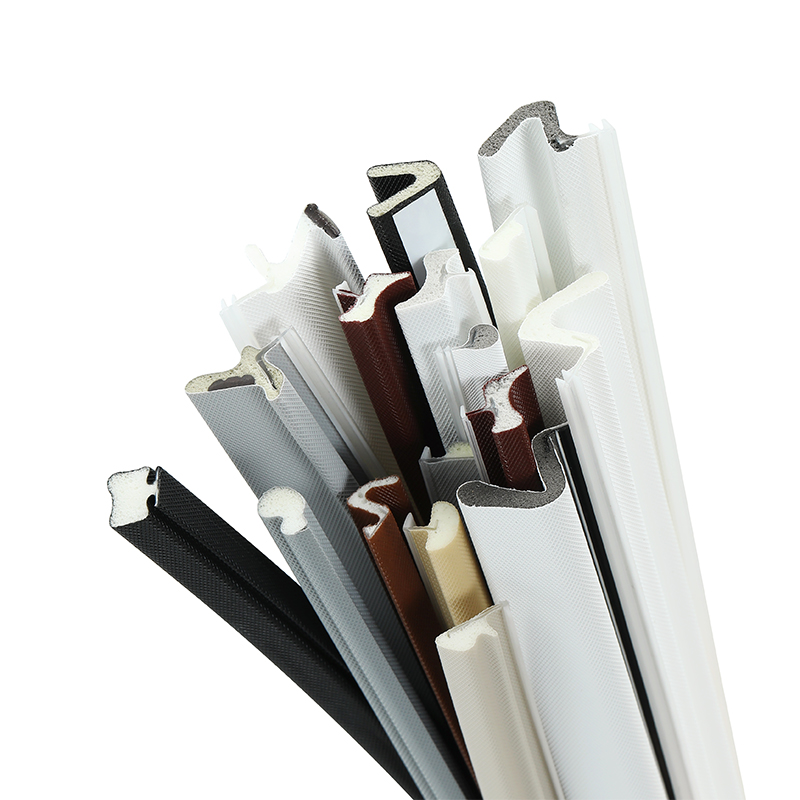
For reliable PVC door bottom seals, chimeda offers a variety of high-performance options for all door sizes. Their seals are designed with durability and efficiency in mind, ensuring maximum effectiveness. You can explore their range at chimeda.com">Chimeda.com. If you have further questions, feel free to contact Chimeda for personalized assistance.
Beginner’s Guide to Choosing and Fitting PVC Door Bottom Seals

Hot Products
PVC Edge Banding Customizable
PVC edge banding is made of polyvinyl chloride as the main material.
ABS Edge Banding Customizable
ABS edge banding does not add any fillers (such as calcium carbonate and other substances) during the production process
PP Edge Banding Customizable
Polypropylene, also known as PP , is a semi-crystalline thermoplastic.
PU Foam Sealing Strip Customizable
PU foamed sealing strip are made of four high-quality materials: the outer layer is wrapped with PE outer film
Three Types of Composite Sealing Strips Customizable
CHIMEDA three-composite sealing strip, the hard part of the base material is modified PP (high hardness)
TPE Sealing Strip Customizable
TPE sealing strips are non-toxic, environmentally friendly, pollution-free, do not contain heavy metals
PVC Door Bottom Seal Customizable
PVC door bottom strips are made from high-quality modified PVC material and are cold-resistant,environmentally friendly, and non-toxic.
Latest News
Top PU Foam Sealing Strip Trends

July 27, 2026

Top PU Foam Sealing Strip Trends
The PU foam sealing strip market is evolving rapidly, driven by increasing demand for energy efficiency and soundproofing solutions. According to Market Research Future, the global market for sealing strips is projected to reach USD 28.85 billion by 2027, growing at a CAGR of 5.2%.
Learn More
Weather Strip vs Rubber Seal Comparison

July 27, 2026

Weather Strip vs Rubber Seal Comparison
Weather strips are materials used to seal gaps around doors and windows, preventing air leaks and improving energy efficiency. They come in various materials, including foam, vinyl, and rubber, and are designed to withstand varying weather conditions.
Learn More
Pros and Cons of Different Edge Banding Materials

July 27, 2026

Pros and Cons of Different Edge Banding Materials
When it comes to furniture manufacturing or cabinetry, selecting the right edge banding material is crucial for both durability and aesthetics. As an edge banding supplier, we understand the challenges faced by manufacturers when choosing edge banding that blends seamlessly with various materials while offering robust protection against wear.
Learn More
Why PVC Edge Banding Is Popular in Furniture Manufacturing

July 24, 2026

Why PVC Edge Banding Is Popular in Furniture Manufacturing
Furniture manufacturers often face the challenge of creating products that withstand wear and tear while maintaining aesthetic appeal. Enter PVC edge banding, an essential component that addresses common pain points.
Learn More
Top PP Edge Banding Trends

July 24, 2026

Top PP Edge Banding Trends
The demand for high-quality PP edge banding is surging as manufacturers and woodworkers seek solutions to common pain points, such as durability and aesthetic appeal. A leading PP edge banding supplier, Chimeda, addresses these issues by providing products that combine visual elegance with mechanical strength. For example, a common scenario involve
Learn More
Tips for Installing PVC Edge Banding

July 24, 2026

Tips for Installing PVC Edge Banding
When it comes to enhancing the aesthetics and durability of furniture, PVC edge banding is a popular choice among manufacturers and DIY enthusiasts alike. However, many users encounter issues such as poor adhesion, uneven applications, and frayed edges during installation. By following guidelines from reliable PVC edge banding suppliers like Chimed
Learn More
Top ABS Edge Banding Trends in Europe

July 24, 2026

Top ABS Edge Banding Trends in Europe
The current market for ABS edge banding is witnessing transformative changes driven by evolving consumer preferences and technological innovations. European manufacturers are increasingly facing specific pain points, such as the demand for durable yet aesthetically pleasing materials. For instance, when interior designers are tasked with creating s
Learn More
Beginner’s Guide to Choosing and Fitting PVC Door Bottom Seals

July 20, 2026

Beginner’s Guide to Choosing and Fitting PVC Door Bottom Seals
Are you struggling with drafts, noise, or unwanted pests entering your home through ill-fitted door gaps? This guide is designed for homeowners, DIY enthusiasts, and anyone interested in enhancing their living space with efficient sealing solutions. With a variety of options on the market, knowing how to choose the right PVC door bottom seal is crucial. In fact, poorly sealed doors can lead to a
Learn More
Furniture Manufacturing Material Selection Guide

July 17, 2026

Furniture Manufacturing Material Selection Guide
Choosing the right furniture manufacturing materials is one of the most critical decisions for furniture manufacturers, OEM suppliers, wholesalers, and interior design companies. The material you select directly influences product durability, production costs, appearance, sustainability, and customer satisfaction.
Learn More
Furniture Edge Banding Trends in Sustainable Manufacturing

July 17, 2026

Furniture Edge Banding Trends in Sustainable Manufacturing
The furniture manufacturing industry is facing increasing pressure to adopt sustainable practices, particularly in choosing materials for edge banding. With rising consumer demand for eco-friendly options, manufacturers must address pain points associated with environmental impact and durability. For instance, traditional PVC edge banding often generates considerable waste and pollution. Brands
Learn More
WeChat