Blog
Blog
December 29, 2025
For homeowners keen on increasing energy efficiency and comfort, the question of whether high-quality weather strips are worth the investment often arises. Weather stripping serves as a crucial seal that prevents air leaks in windows and doors, thereby reducing heating and cooling costs, which can account for up to 50% of annual energy bills. By addressing drafts and improving insulation, quality weather strips like those offered by Chimeda can significantly enhance indoor climate control, making them a smart investment for energy-conscious consumers.
Weather strips are materials applied to doors and windows to seal gaps between moving parts. They are designed to prevent air and water infiltration, significantly impacting overall home energy efficiency. Common types include adhesive-backed foam, V-strip, and door sweeps. According to the U.S. Department of Energy, caulking and weather stripping can save homeowners an average of 15% on their energy bills by eliminating drafts.
To better understand the benefits of high-quality weather strips, we must familiarize ourselves with some key terms:
Start by identifying specific problem areas in your home. Look for excessive drafts around windows and doors. Use a smoke pencil or simply a lit candle to detect air leaks.
With a tape measure, take accurate measurements of the gaps around your doors and windows. This will help you determine the length of weather strips needed.
When choosing weather strips, consider the material. For example, adhesive-backed foam strips can reduce air leakage by up to 90%, significantly lowering energy costs. Look for products from trusted brands like Chimeda, renowned for their durability and effectiveness.
You will need the following tools for installation: a utility knife, scissors, measuring tape, and a clean cloth for surface preparation.
Thoroughly clean the areas where the strips will be applied. A clean surface enhances adhesive performance, reducing the likelihood of peeling within the first year of installation.
Based on your earlier measurements, cut the weather strips to appropriate lengths using scissors or a utility knife. Ensure the ends are straight for optimal sealing.
Carefully peel the backing off the adhesive side and press the weather strip firmly into place, ensuring no gaps remain. For best results, apply consistent pressure for 30 seconds.
After installation, test the doors and windows for air leaks again. The enhanced seals should dramatically reduce drafts. Home evaluations have shown an average decrease in air leakage by 75% post-installation of quality weather strips.
High-quality weather strips can last between 5 to 10 years, depending on the material and environmental conditions. Cheaper options may degrade within 1 to 3 years.
Yes, by sealing gaps effectively, weather stripping can minimize dust and allergens entering your home, leading to improved air quality.
Most weather stripping products come with simple installation instructions; homeowners can effectively install them within 30 minutes.
For those looking to maximize home energy efficiency, consider combining weather stripping with additional insulation solutions, such as insulated curtains or reflective window films. Detailed guides on these topics can be found through energy efficiency websites and local utility resources.
High-quality weather strips are indeed worth the investment for homeowners looking to enhance energy efficiency and comfort. Not only can they reduce energy bills by an average of 15%, but they can also improve indoor air quality and comfort levels. For reliable weather stripping solutions, reach out to Chimeda for top-tier products and expert guidance. Invest today for a more energy-efficient tomorrow!


August 10, 2026
Edge Banding Thickness Guide: 0.4mm to 3mm
August 10, 2026
Tips for Applying Edge Banding Without Peeling
August 10, 2026
Why PVC Door Bottom Seals Improve Soundproofing
August 10, 2026
PP Edge Banding Product Review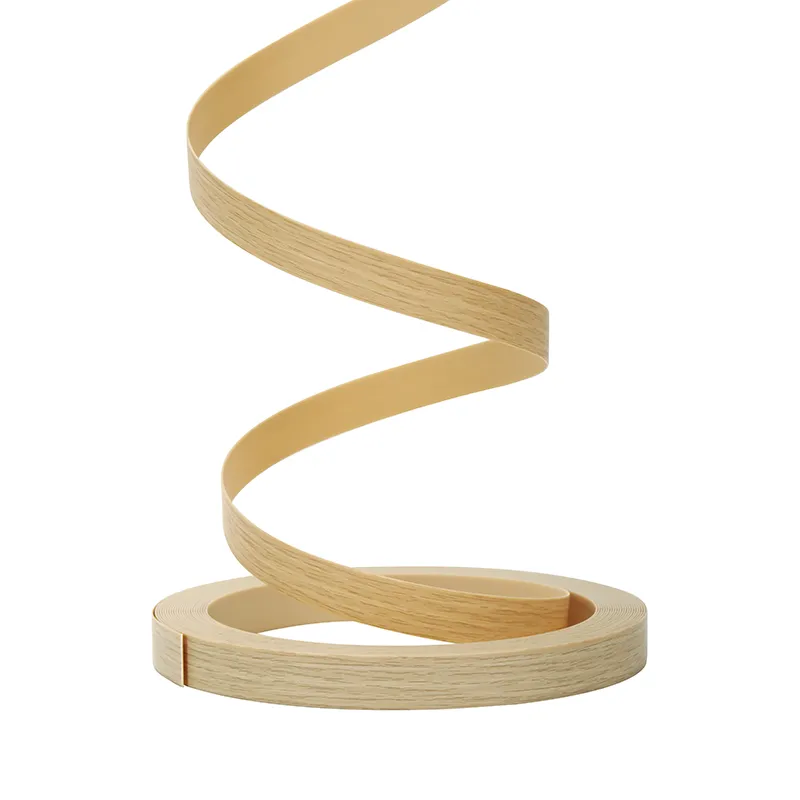
August 10, 2026
Table PVC Edge Banding Benefits for Daily Use Furniture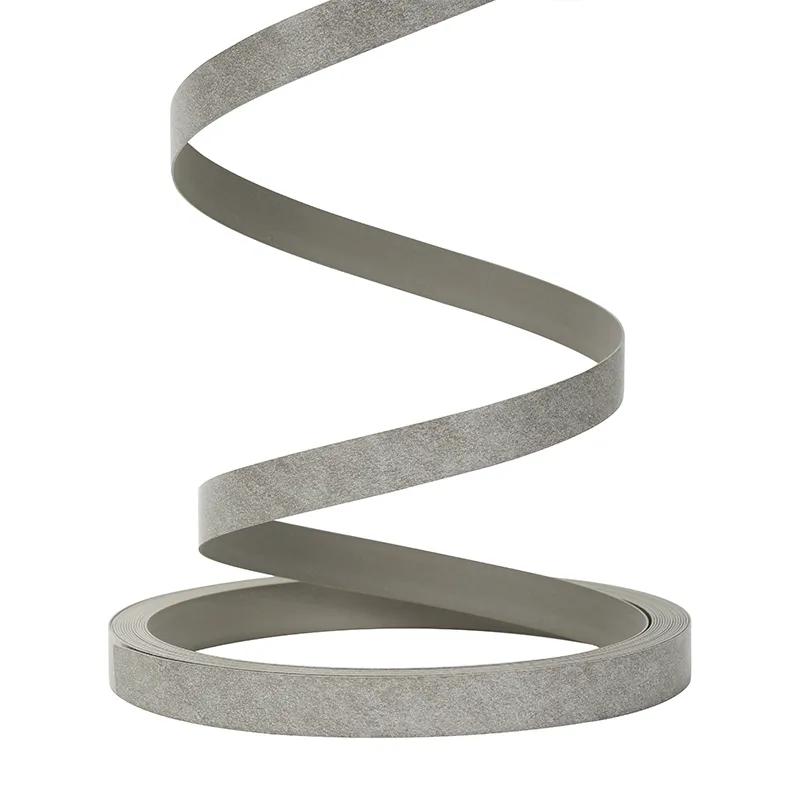
August 10, 2026
High Gloss Edge Banding vs Matte Edge Banding: What’s the Difference?
August 07, 2026
PVC Edge Banding vs Melamine Edge Banding
August 07, 2026
Tips for Processing ABS Edge Banding
August 07, 2026
PVC Door Bottom Seal Buying Guide
August 07, 2026
Cabinet PVC Edge Banding Applications in Kitchen Design