
Blog

Blog

ABS Edging Installation Guide for Furniture Manufacturers

August 06, 2026

In the world of furniture manufacturing, Cabinet ABS Edging plays a crucial role in enhancing durability and aesthetic appeal. This guide provides an extensive overview of the ABS edging installation process, ensuring that furniture manufacturers can achieve flawless finishes and resilient constructions. Whether you're new to the process or looking to refine your techniques, this guide covers the essential steps and best practices.

Understanding ABS Edging and Its Importance

ABS (Acrylonitrile Butadiene Styrene) edging is a popular choice in the furniture industry due to its strength, flexibility, and resistance to moisture and heat. Its application not only improves the durability of furniture edges but also enhances the overall look, making it an essential material in cabinet making.

Essential Tools for ABS Edging Installation

  • Edge Banding Machine: A specialized machine that applies the ABS edging accurately and efficiently.
  • Trimmer: For trimming the edges after the edging is applied, ensuring a clean finish.
  • Adhesive: Hot melt glue or PVA glue suitable for ABS materials.
  • Heat Gun: Used for softening the edging material for better adhesion.
  • Measuring Tape: To ensure precise cuts and placement of the ABS edging.
  • Cutting Tools: Such as a saw or cutter for preparing edging strips.

Step-by-Step ABS Edging Installation Process

Step 1: Prepare the Surface

Ensure that the surface of the cabinets is clean, smooth, and free from dust or debris. This will promote better adhesion and a successful finish.

Step 2: Measure and Cut the ABS Edging

Using your measuring tape, calculate the length of the edge that requires edging. Cut the ABS edging strips slightly longer than required for easier handling during application.

Step 3: Apply Adhesive to the Surface

Using a hot melt glue or PVA glue, apply a thin layer on the edge of the cabinet. Ensure even coverage but avoid excessive application that could squeeze out during edging.

Step 4: Position the ABS Edging

Carefully place the ABS edging onto the adhesive, ensuring it aligns perfectly with the edge of the cabinet. Press down firmly to establish contact.

Step 5: Use a Heat Gun for Proper Adhesion

With the heat gun, gently heat the ABS edging. This softens the material, facilitating better adhesion. Be cautious not to overheat, which can damage the edging.

Step 6: Trim Excess Edging

Once the adhesive has cooled and set, use the trimmer to remove any excess edging material. This will leave you with a smooth and professional finish.

Quality Control: Ensuring a Perfect Finish

Inspect the finished edge for any gaps or inconsistencies. If necessary, apply additional adhesive to those areas and repeat the heating process to ensure complete bonding. A proper finish enhances the product's overall quality, which is vital for customer satisfaction.

Frequently Asked Questions

What is the best adhesive for ABS edging?

Hot melt glue is commonly preferred due to its quick setting properties and strong bond with ABS materials.

Can ABS edging be used on all materials?

ABS edging is best suited for surfaces like MDF, particle board, or plywood. Avoid using it on surfaces where moisture exposure is likely.

How can I improve the lifespan of the ABS edging?

Ensure proper care during installation and avoid exposure to extreme temperatures or moisture, which can weaken the bond over time.

Additional Considerations for Optimal Results

Keep in mind that the quality of your ABS edging material can significantly impact the final product. Always source from reputable suppliers and consider investing in high-quality edging for long-lasting results.

Visual Example of ABS Edging Application

For a clearer understanding, refer to the image below illustrating a successful ABS edging application:

ABS Edging Installation Guide for Furniture Manufacturerschimeda.com/data/watermark/main/20260121/6970451e1239d.jpg" alt="ABS Edging Installation Example" />

Conclusion

Proper installation of ABS edging is essential for furniture manufacturers looking to deliver high-quality products. By following the steps outlined in this guide, manufacturers can enhance the durability and appearance of their furniture pieces, ensuring great customer satisfaction and product longevity.

Hot Products
PVC Edge Banding Customizable
PVC edge banding is made of polyvinyl chloride as the main material.
ABS Edge Banding Customizable
ABS edge banding does not add any fillers (such as calcium carbonate and other substances) during the production process
PP Edge Banding Customizable
Polypropylene, also known as PP , is a semi-crystalline thermoplastic.
PU Foam Sealing Strip Customizable
PU foamed sealing strip are made of four high-quality materials: the outer layer is wrapped with PE outer film
Three Types of Composite Sealing Strips Customizable
CHIMEDA three-composite sealing strip, the hard part of the base material is modified PP (high hardness)
TPE Sealing Strip Customizable
TPE sealing strips are non-toxic, environmentally friendly, pollution-free, do not contain heavy metals
PVC Door Bottom Seal Customizable
PVC door bottom strips are made from high-quality modified PVC material and are cold-resistant,environmentally friendly, and non-toxic.
Latest News
Edge Banding Thickness Guide: 0.4mm to 3mm

August 10, 2026

Edge Banding Thickness Guide: 0.4mm to 3mm
Edge banding thickness ranges from 0.4mm to 3mm, with each size serving specific durability, aesthetic, and functional needs.
Learn More
Tips for Applying Edge Banding Without Peeling

August 10, 2026

Tips for Applying Edge Banding Without Peeling
One common issue faced by woodworking enthusiasts and professional craftsmen alike is peeling edge banding, which often results from improper application. This can lead to unsightly finishes and increased material waste. Fortunately, adopting the right techniques can significantly enhance the longevity and appearance of your edge banding. As an edg
Learn More
Why PVC Door Bottom Seals Improve Soundproofing

August 10, 2026

Why PVC Door Bottom Seals Improve Soundproofing
Sound pollution is a growing concern that many people underestimate. As urban populations swell and industries expand, noise from outside—cars, machinery, construction—can disrupt our comfort and well-being. The impacts are significant: poor sound insulation can lead to increased stress levels, reduced productivity, and diminished quality of li
Learn More
PP Edge Banding Product Review

August 10, 2026

PP Edge Banding Product Review
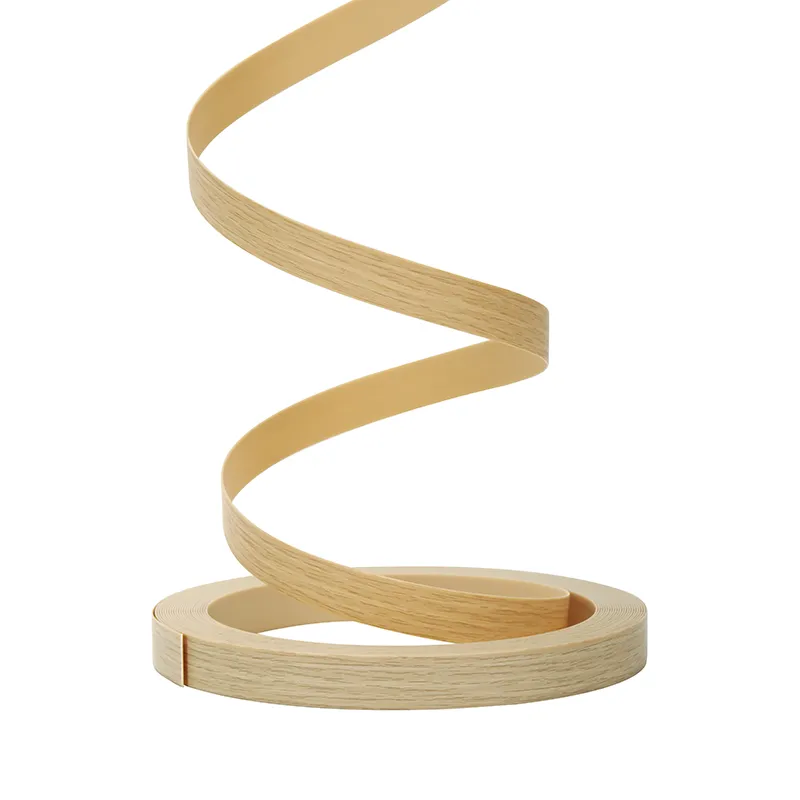
Choosing the right PP edge banding can significantly enhance your furniture and woodworking projects. As a dedicated DIY enthusiast, I often face the challenge of selecting the right edge banding that not only meets aesthetic goals but also performs well. After exploring various options, including products from suppliers like Chimeda, I've compiled
Learn More
Table PVC Edge Banding Benefits for Daily Use Furniture
August 10, 2026

Table PVC Edge Banding Benefits for Daily Use Furniture
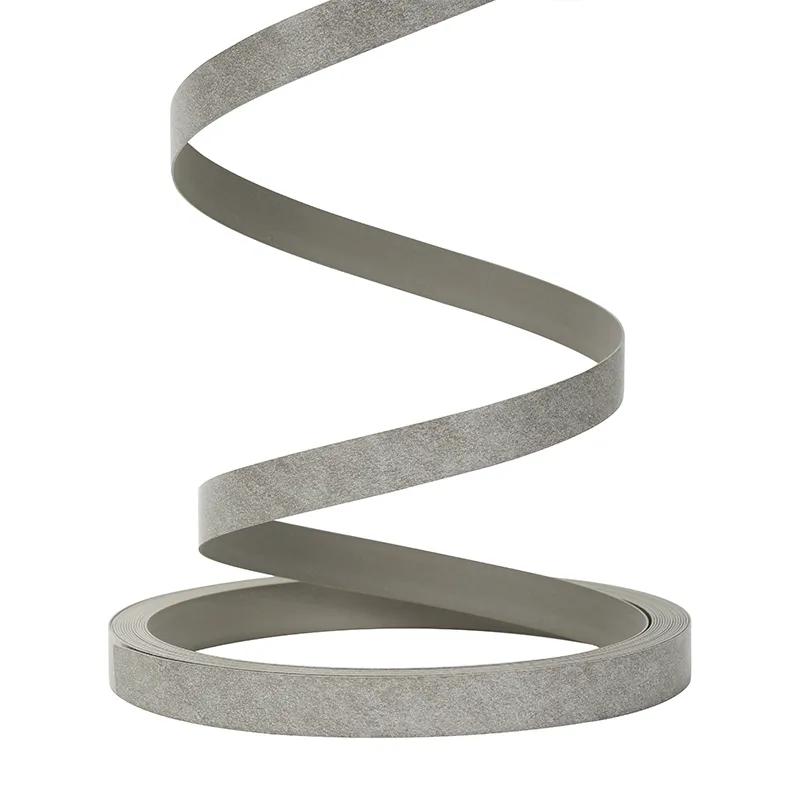
In today's rapidly evolving furniture industry, choosing the right materials can greatly affect both functionality and aesthetics. A common pain point for many consumers is finding durable and visually appealing solutions to enhance the longevity of their furniture. This is where Table PVC Edge Banding comes into play, offering a combination of resilience and attractiveness that significantly
Learn More
High Gloss Edge Banding vs Matte Edge Banding: What’s the Difference?

August 10, 2026

High Gloss Edge Banding vs Matte Edge Banding: What’s the Difference?
High Gloss Edge Banding features a shiny, reflective surface that enhances the aesthetic appeal of furniture. This type is often used on contemporary pieces, providing a sleek, modern look.
Learn More
PVC Edge Banding vs Melamine Edge Banding

August 07, 2026

PVC Edge Banding vs Melamine Edge Banding
PVC edge banding is a thin strip of plastic that is applied to the exposed edges of wood panels to create a finished look and enhance durability. Melamine edge banding, on the other hand, is made from paper or composite materials coated with melamine resin, offering a cost-effective option for edge finishing.
Learn More
Tips for Processing ABS Edge Banding

August 07, 2026

Tips for Processing ABS Edge Banding
In woodworking and furniture manufacturing, the inability to effectively apply ABS edge banding can create significant challenges for manufacturers and craftsmen alike. As an ABS edge banding supplier, understanding these pain points—such as edge lifting, adhesive failure, and uneven finishing—can lead to improved quality and efficiency. This a
Learn More
PVC Door Bottom Seal Buying Guide

August 07, 2026

PVC Door Bottom Seal Buying Guide
If you’re a homeowner or a contractor looking to enhance the energy efficiency of your space, understanding the benefits of a PVC door bottom seal is essential. These seals are specifically designed to minimize drafts, prevent water ingress, and increase thermal insulation, making them a popular choice among PVC door bottom seal suppliers. Inadeq
Learn More
Cabinet PVC Edge Banding Applications in Kitchen Design

August 07, 2026

Cabinet PVC Edge Banding Applications in Kitchen Design
Cabinet PVC edge banding is an essential component in modern kitchen design, offering a practical and aesthetic solution for finishing cabinet edges. This material, made from polyvinyl chloride (PVC), is favored for its durability and versatility. In this article, we will explore various applications of PVC edge banding in kitchen design, discussing how it can enhance the overall look and
Learn More
WeChat