Blog
Blog
March 26, 2026
PP Edge Banding is a game-changer for anyone looking to elevate their woodworking projects. Whether you are a beginner venturing into DIY furniture making or an experienced carpenter refining your skills, understanding the nuances of PP edge banding can make a significant difference in your work's quality and durability. In this guide, I’ll share a comprehensive solution that encompasses everything you need to know about working with PP edge banding, from selection to implementation and troubleshooting.
Starting with Step 1: Selecting the Right PP Edge Banding, it's essential to choose the proper thickness and finish according to the material you’re working with, such as MDF or plywood. I recommend a thickness of 0.5mm for a seamless finish, adhering to industry standards like ASTM for consistency. Remember to account for the precision of your cutting tools—aiming for a tolerance of 0.01mm will ensure a snug fit that minimizes gaps.
Step 2: Preparation Is Key involves preparing your work surface and ensuring it’s clean and free of dust. A thorough cleaning will enhance adhesion, ultimately leading to a professional look. I’ve found that using an industrial vacuum can be incredibly effective in maintaining workspace cleanliness. You might want to invest in tools like a hot air edge bander or a manual trimmer, which are indispensable for achieving high-quality results.
Once your materials are ready, proceed to Step 3: Application. I highly recommend using the hot melt adhesive method for a robust bond. A temperature of 200°C is optimal—this facilitates an intimate bond while minimizing any material warping. When applying the edge banding, use even pressure to avoid bubbles or misalignments. I recall a project where even a small misalignment led to an aesthetic issue, which is a common challenge when first working with PP edge banding.
Step 4: Finishing Touches involves tackling edges and ensuring your banding is flat and flush with the substrate. This is where tools like edge cutters come handy. Make sure to sand down any overhangs to create a smooth and uniform edge. According to my experience, this step is pivotal in showcasing your craftsmanship; small details like smooth transitions differentiate amateur work from professional results.
As I explore these steps, share success stories as a source of inspiration. For instance, I once worked on custom cabinetry that utilized PP edge banding exclusively. The project not only enhanced the aesthetics but also proved to be exceptionally durable after years of frequent use! This demonstrated the material’s long-term viability, reinforcing its value in woodworking.
However, challenges may arise such as adhesive failure or improper alignment. To combat these issues, ensure you are working within the recommended temperature ranges for adhesives and using the appropriate cutting tools for your specific edge banding thickness. Regular practice also helps in honing your techniques, increasing your proficiency with every project.
To summarize, working with PP edge banding can elevate your woodworking projects, bringing both aesthetics and durability into focus. From selecting the right materials and mastering the adhesive application to finishing with precision, following this guide equips you with the skills to overcome typical challenges. I encourage you to implement these strategies thoroughly and witness the remarkable transformation in your projects!
For additional resources and visuals, you can refer to chimeda.com/data/watermark/main/20260121/6970451e1239d.jpg">this link. Also, connect with the woodworking community; there’s always something new to learn from fellow enthusiasts! Happy banding!


August 10, 2026
Edge Banding Thickness Guide: 0.4mm to 3mm
August 10, 2026
Tips for Applying Edge Banding Without Peeling
August 10, 2026
Why PVC Door Bottom Seals Improve Soundproofing
August 10, 2026
PP Edge Banding Product Review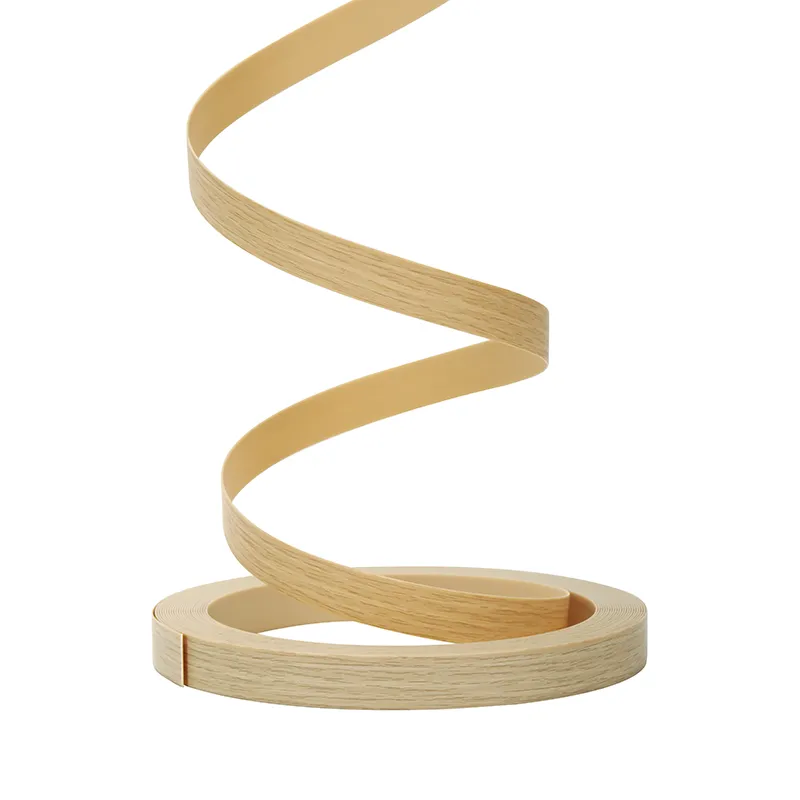
August 10, 2026
Table PVC Edge Banding Benefits for Daily Use Furniture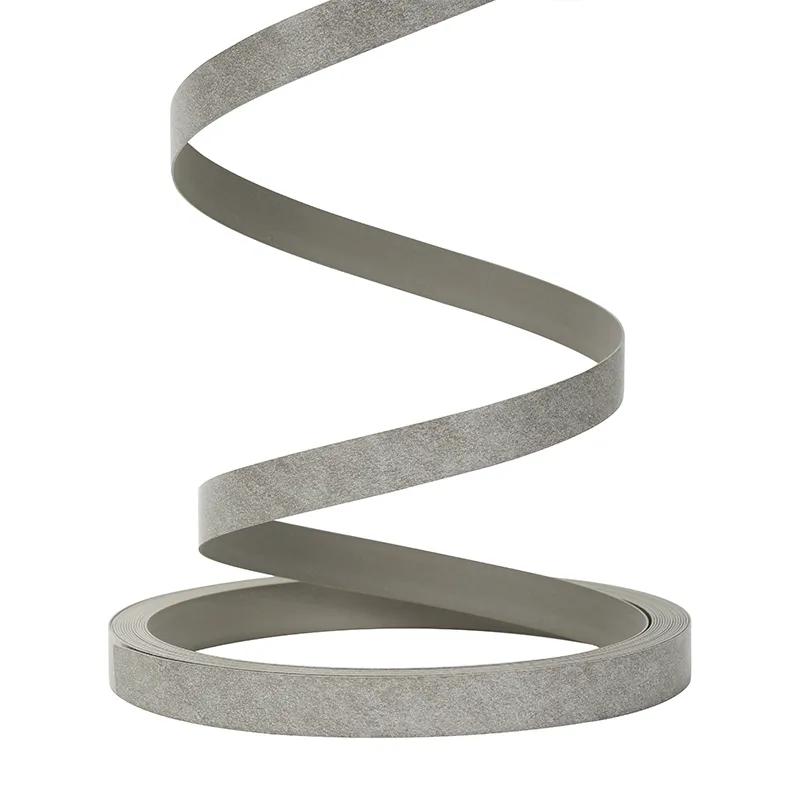
August 10, 2026
High Gloss Edge Banding vs Matte Edge Banding: What’s the Difference?
August 07, 2026
PVC Edge Banding vs Melamine Edge Banding
August 07, 2026
Tips for Processing ABS Edge Banding
August 07, 2026
PVC Door Bottom Seal Buying Guide
August 07, 2026
Cabinet PVC Edge Banding Applications in Kitchen Design