Blog

Blog

A Complete Guide to Selecting and Using Composite Sealing Strips

April 10, 2026

When embarking on the journey to select and use composite sealing strips, it’s crucial to navigate through various considerations effectively, both for seasoned professionals and DIY enthusiasts. Composite sealing strips, specially designed for diverse applications, are vital for ensuring airtight and watertight seals, contributing significantly to energy efficiency and operational performance. This guide will walk you through the selection process and practical application step-by-step.

Understanding the Importance of Composite Sealing Strips

Composite sealing strips are essential in various industries, including automotive, construction, and manufacturing. They come in various materials like rubber, foam, and silicone, each with distinct benefits. Selecting appropriate options, like those offered by Chimeda, can enhance durability and functionality.

Key Considerations in Selection

  1. Identify the Application: Determine where the sealing strips will be used. Whether for doors, windows, or machinery, specific needs dictate material type and profile.
  2. Material Properties:
    • Temperature Resistance: Choose materials tested to withstand temperature variations suitable for your environment—typically, composite materials can endure temperatures from -40°C to +100°C.
    • Chemical Compatibility: Ensure the selected sealant is resistant to chemicals it may contact, especially in industrial settings.
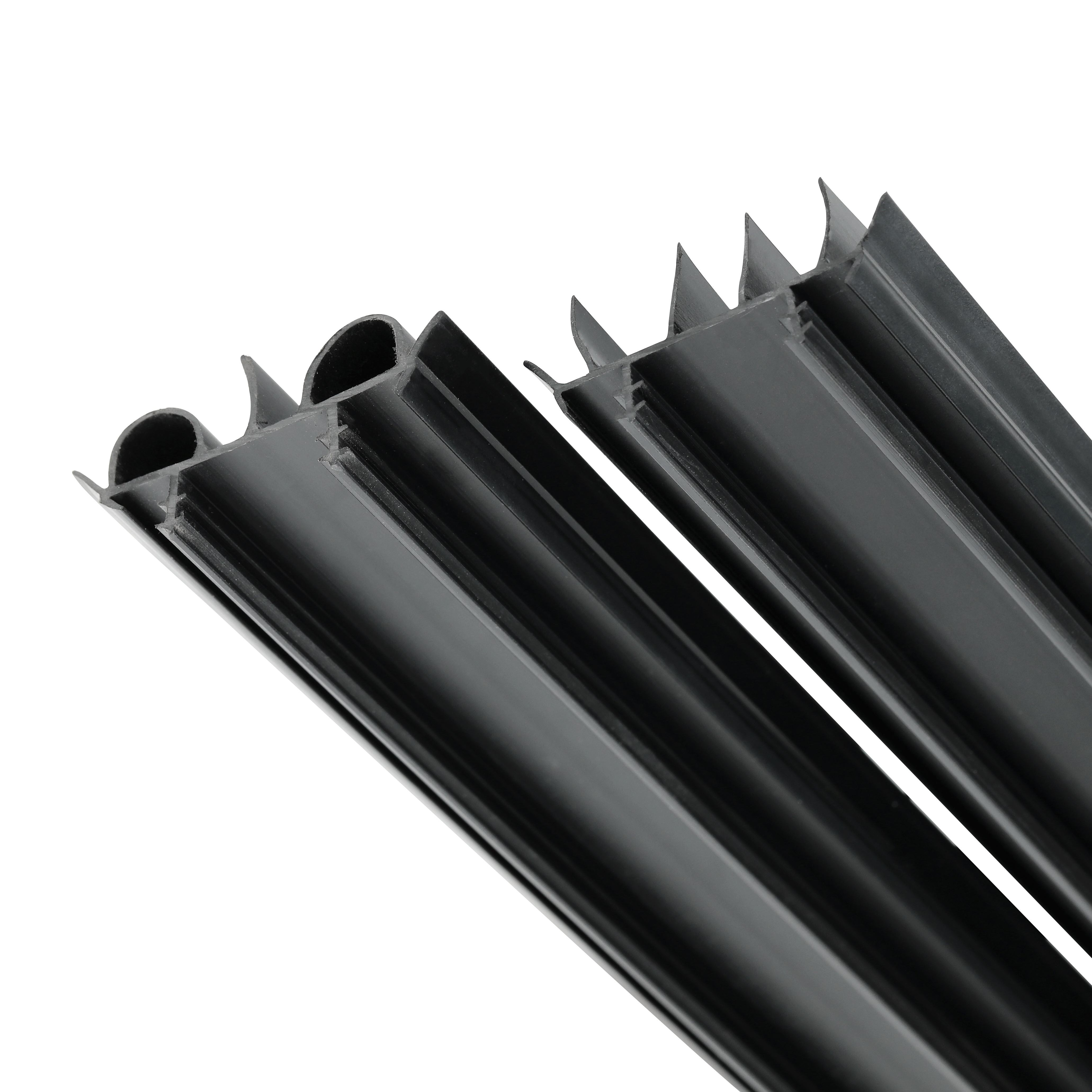
  3. Profile Shape: Different applications require unique profiles (e.g., T-shaped, L-shaped). Assessing this factor will enhance seal integrity.

Step-by-Step Guide to Implementation

  1. Assess the Environment:

    • Evaluate moisture, temperature, and any chemical exposure.
    • Use tools for precise measuring, such as calipers for size accuracy (precision to 0.01mm).
  2. Select the Right Strip:

    • Compare options, utilizing Chimeda's online resources, which provide detailed specifications fulfilling ASTM and DIN standards.
    • Always check approval ratings to ensure compliance with safety and quality benchmarks.
  3. Preparation for Installation:

    • Clean the installation area thoroughly.
    • Prepare the sealing surface by removing any old adhesive or residue to promote better adhesion.
  4. Installation Process:

    • Measure and cut the strips to fit the designated area.
    • Apply the composite sealing strip with manual pressure, ensuring it adheres well, especially in corners and joints to prevent leakage.
    • Use additional adhesives if necessary for high-stress applications.

Overcoming Potential Challenges

Challenges like improper adhesion, contamination, and sizing mismatches may arise. Here’s how to tackle them:

  • Adhesion Failure: If the strip doesn’t stick, consider re-cleaning the surface or using specialized adhesives suited for the composite material.
  • Sizing Issues: In cases of miscalculated measurements, I recommend oversizing slightly and trimming for a perfect finish.

Success Stories in Composite Sealing Strip Applications

One notable success involved a manufacturing company facing high energy costs due to inadequate sealing around their machinery. By implementing Chimeda's high-quality composite sealing strips, they achieved a remarkable 25% reduction in their energy consumption within the first month. Such real-world applications underscore the effectiveness of these materials, especially when chosen and utilized correctly.

Tools and Resources

To streamline your sealing strip selection and application process, consider using:

  • Measuring Tools: Digital calipers for precise measurements.
  • Installation Kits: Adhesives specifically designed for composite materials.
  • Online Support and Resources: Utilize the informative content provided by Chimeda at Chimeda.

Conclusion

As we reach the conclusion of this comprehensive guide, remember that the effective selection and usage of composite sealing strips can significantly enhance the performance of industrial applications as well as cost-effectiveness in the long run. By carefully evaluating your needs, selecting the suitable materials, and implementing the guidelines shared, you're on your way to achieving optimal sealing solutions. Don't hesitate to explore Chimeda's extensive product range and support services to help you on your sealing journey. By taking these steps, I encourage you to not only resolve existing challenges but also safeguard your investments for years to come.

Hot Products
PVC Edge Banding Customizable
PVC edge banding is made of polyvinyl chloride as the main material.
ABS Edge Banding Customizable
ABS edge banding does not add any fillers (such as calcium carbonate and other substances) during the production process
PP Edge Banding Customizable
Polypropylene, also known as PP , is a semi-crystalline thermoplastic.
PU Foam Sealing Strip Customizable
PU foamed sealing strip are made of four high-quality materials: the outer layer is wrapped with PE outer film
Three Types of Composite Sealing Strips Customizable
CHIMEDA three-composite sealing strip, the hard part of the base material is modified PP (high hardness)
TPE Sealing Strip Customizable
TPE sealing strips are non-toxic, environmentally friendly, pollution-free, do not contain heavy metals
PVC Door Bottom Seal Customizable
PVC door bottom strips are made from high-quality modified PVC material and are cold-resistant,environmentally friendly, and non-toxic.
Latest News
Why Plywood ABS Edging Is a Better Eco-Friendly Option

May 26, 2026

Why Plywood ABS Edging Is a Better Eco-Friendly Option
Environmental concerns are at the forefront of consumer choice today. As we become increasingly aware of our ecological footprint, decision-makers in industries ranging from construction to furniture manufacturing are faced with pressing questions about sustainability. The widespread use of non-recyclable materials and harmful adhesives in the prod
Learn More
Pros and Cons of Door PVC Edge Banding in Interior Decoration

May 26, 2026

Pros and Cons of Door PVC Edge Banding in Interior Decoration
When it comes to interior decoration, the right materials can significantly affect both functionality and aesthetics. One frequently debated option is Door PVC Edge Banding, which plays a crucial role in finishing surfaces and ensuring durability. Homeowners often face problems with wear, tear, and moisture damage in their door finishes, leading to their need for a solution that balances
Learn More
How ABS Edging Improves Furniture Durability and Safety

May 19, 2026

How ABS Edging Improves Furniture Durability and Safety
ABS (Acrylonitrile Butadiene Styrene) edging is a type of thermoplastic material used in furniture making. It offers durability and flexibility, making it an ideal choice for protecting furniture edges from damage and wear.
Learn More
What Is ABS Edging and How Is It Used in Furniture Production?

May 13, 2026

What Is ABS Edging and How Is It Used in Furniture Production?
ABS edging, or Acrylonitrile Butadiene Styrene edging, is a robust, thermoplastic material utilized predominantly in furniture production to cover the exposed edges of particleboard or MDF (Medium-Density Fiberboard). Its practical applications extend beyond mere aesthetics; it strengthens the edges, enhances durability, and prevents moisture ingress, making it invaluable for cabinetry and
Learn More
How to Choose the Right Matte Edge Banding for Furniture

May 09, 2026

How to Choose the Right Matte Edge Banding for Furniture
Matte edge banding is a material used to cover the exposed edges of plywood, particleboard, or other types of boards, providing a clean and professional finish. It enhances durability while offering an aesthetically pleasing look.
Learn More
What Is a PVC Door Bottom Seal and Its Benefits

April 17, 2026

What Is a PVC Door Bottom Seal and Its Benefits
In the world of construction and home improvement, the PVC door bottom seal plays a pivotal role in ensuring energy efficiency and comfort in residential and commercial settings. These seals are essential for blocking drafts, dust, and pests, thereby improving indoor air quality and conserving energy. With the ever-increasing focus on sustainabilit
Learn More
Step-by-Step Guide to Installing TPE Sealing Strips

April 16, 2026

Step-by-Step Guide to Installing TPE Sealing Strips
If you're someone dealing with drafty windows or gaps in doors, then this comprehensive guide on installing TPE sealing strips is tailored for you. Homeowners often face issues such as energy loss, noise infiltration, and even pest entry, leading to increased utility bills and discomfort in living spaces. TPE (Thermoplastic Elastomer) sealing strips offer a practical solution as they effectively
Learn More
Why TPE Sealing Strips Are Preferred Over Traditional Materials

April 15, 2026

Why TPE Sealing Strips Are Preferred Over Traditional Materials
In industries ranging from automotive to consumer electronics, the demand for reliable sealing solutions is paramount. Traditional materials, such as rubber and foam, often fail to meet stringent requirements for durability, flexibility, and environmental resistance. The pain points of using these conventional materials include wear and tear, which leads to costly replacements and potential
Learn More
How to Properly Apply TPE Sealing Strips for Maximum Seal

April 14, 2026

How to Properly Apply TPE Sealing Strips for Maximum Seal
Are you struggling with drafts in your home or facing issues with moisture leaks? TPE sealing strips can provide an effective and efficient solution. Many users have reported difficulties in applying these strips correctly, leading to diminished sealing effects. This article will not only address common pain points but also guide you through the en
Learn More
Composite Sealing Strips vs TPE Sealing Strips: Which Is Better?

April 13, 2026

Composite Sealing Strips vs TPE Sealing Strips: Which Is Better?
In the quest for the ideal sealing solution, many users find themselves pondering the age-old question: Composite sealing strips or TPE sealing strips? Common pain points arise when considering factors like durability, environmental impact, cost-efficiency, and overall performance. For homeowners confronting issues like leaks or drafts, the choice of sealing material can significantly affect
Learn More
WeChat