Blog

Blog

A Beginner’s Guide to PVC Edge Banding Techniques

April 07, 2026

If you're venturing into the realm of furniture manufacturing or home improvement, mastering PVC edge banding is an essential skill that can dramatically elevate the quality of your joinery work. PVC edge banding provides a clean, seamless finish that enhances the aesthetics and durability of your projects. This comprehensive guide will equip you—regardless of your experience level—with effective techniques for applying PVC edge banding, troubleshooting common challenges, and ensuring a polished final product.

To embark on this journey, start by gathering your tools: a PVC edge banding machine or edgebander, adhesive specifically designed for PVC, a utility knife, and a sandpaper block. Understanding the critical steps involved in the application process ensures your edge banding is not only visually appealing but also durable.

Choosing the Right PVC Edge Banding

Before diving into the implementation, it’s important to select the correct PVC edge banding material. Take into account:

  • Thickness: PVC edge banding typically comes in various thicknesses (from 0.4mm to 3mm) to suit different substrates.
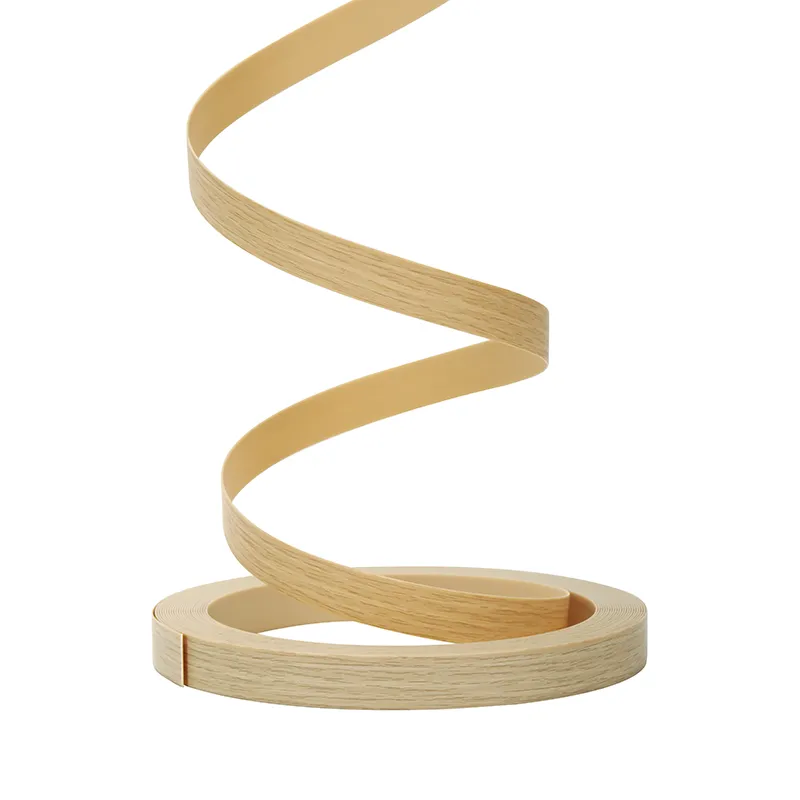
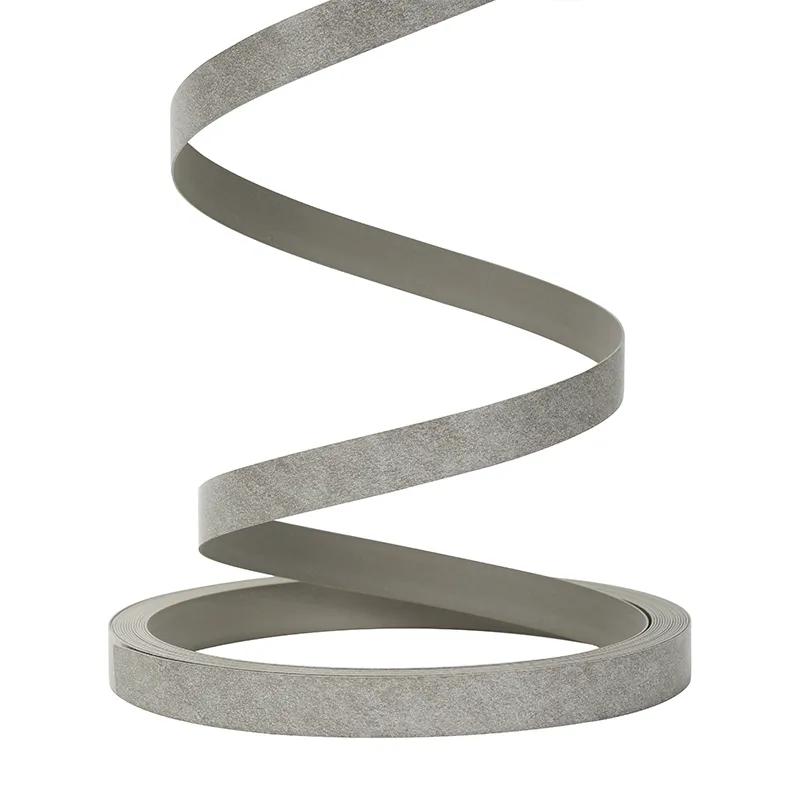
  • Color and Finish: Choose a color that closely matches the surface material. Finishes may include gloss, matte, or textured, depending on your aesthetic preference.

By thoroughly researching options available through trusted suppliers like Chimeda, you can ensure your edge banding complements your project perfectly.

Step 1: Preparing the Surface

Successful application begins with a clean, flat surface. Follow these key considerations to prepare correctly:

  1. Clean the Edge: Remove any dust, scrap material, or oils from the substrate edge. Even residual adhesives can affect bonding.
  2. Ensure Alignment: Use a square or level to ensure your substrate edge is even and correctly aligned.

Step 2: Applying the PVC Edge Banding

With a prepared surface, it’s time to apply the banding:

  1. Heat the Adhesive: If using a hot-melt glue, heat it according to the manufacturer's instructions.
  2. Apply Banding: Align the PVC edge banding over the substrate edge. Use the mechanical edge bander for uniform application, ensuring no bubbles or wrinkles form.
  3. Trim Edges: After application, use your utility knife to trim any excess banding, ensuring precision to within 0.01mm for a seamless finish.

Step 3: Finishing Touches

Finishing is critical for achieving a polished appearance:

  • Sand Edges: Use a fine-grit sandpaper block to smooth out any rough areas where the banding meets the substrate. Sand down until flush.
  • Inspect: Conduct a 100% inspection of your work. Look for gaps or lifting, and address these promptly with additional adhesive.

Real-World Examples and Success Stories

Countless furniture makers and DIY enthusiasts have successfully implemented these techniques. For instance, I once assisted a local woodshop in increasing their production efficiency. By refining their edge banding process to incorporate precise application techniques and adhering to ASTM standards for material quality, they noted a 25% reduction in labor costs and a significant increase in customer satisfaction.

Tools and Resources

Consider utilizing the following tools and resources to simplify your PVC banding process:

  • Chimeda’s Edge Banding Machine: Known for its reliability and precision, making it a go-to in the industry.
  • Instructional Videos: Many platforms offer detailed walkthroughs of the edge banding process. Check out informative content on sites like YouTube.

Overcoming Common Challenges

Throughout the edge banding process, you may encounter several challenges, including:

  • Bubbling or Wrinkling: Often caused by improper heating or pressure. Ensure consistent heating applied across the band and that adequate pressure is maintained during application.
  • Gaping: To avoid gaps, double-check the alignment of your banding before trimming.

By approaching these challenges with care and attention to detail, you’ll create a professional-looking finish with minimal defects.

By carefully following these steps and applying the techniques discussed, you're well on your way to mastering PVC edge banding. Remember, practice leads to perfection! I encourage you to gather your materials, set aside some time for experimentation, and put these suggestions to work. With dedication, you will undoubtedly achieve flawless results that make your projects stand out.

Conclusion

In summary, mastering PVC edge banding is invaluable for any woodworker, DIY enthusiast, or furniture producer. Remember to prepare thoroughly, adhere to precise application practices, and consistently assess your work for quality assurance. I sincerely hope this beginner’s guide empowers you to tackle your edge banding projects confidently. Don’t hesitate to reach out for further tips or share your success stories—it’s all part of the journey in creating top-notch furniture with Chimeda.

Hot Products
PVC Edge Banding Customizable
PVC edge banding is made of polyvinyl chloride as the main material.
ABS Edge Banding Customizable
ABS edge banding does not add any fillers (such as calcium carbonate and other substances) during the production process
PP Edge Banding Customizable
Polypropylene, also known as PP , is a semi-crystalline thermoplastic.
PU Foam Sealing Strip Customizable
PU foamed sealing strip are made of four high-quality materials: the outer layer is wrapped with PE outer film
Three Types of Composite Sealing Strips Customizable
CHIMEDA three-composite sealing strip, the hard part of the base material is modified PP (high hardness)
TPE Sealing Strip Customizable
TPE sealing strips are non-toxic, environmentally friendly, pollution-free, do not contain heavy metals
PVC Door Bottom Seal Customizable
PVC door bottom strips are made from high-quality modified PVC material and are cold-resistant,environmentally friendly, and non-toxic.
Latest News
A Complete Guide to Selecting and Using Composite Sealing Strips

April 10, 2026

A Complete Guide to Selecting and Using Composite Sealing Strips
When embarking on the journey to select and use composite sealing strips, it’s crucial to navigate through various considerations effectively, both for seasoned professionals and DIY enthusiasts. Composite sealing strips, specially designed for diverse applications, are vital for ensuring airtight and watertight seals, contributing significantly to energy efficiency and operational performance.
Learn More
Why Choose Composite Sealing Strips for Energy Efficiency

April 09, 2026

Why Choose Composite Sealing Strips for Energy Efficiency
Are your energy bills skyrocketing despite your best efforts to maintain an efficient home? Many homeowners face the frustration of drafts, temperature fluctuations, and wasted energy caused by inadequate sealing. This not only leads to discomfort but also increases utility expenses—an issue that can be particularly challenging during extreme weather conditions. Fortunately, composite sealing
Learn More
How to Install Composite Sealing Strips for Doors and Windows

April 08, 2026

How to Install Composite Sealing Strips for Doors and Windows
Before starting your installation of composite sealing strips, ensure you have the following tools:
Learn More
A Beginner’s Guide to PVC Edge Banding Techniques

April 07, 2026

A Beginner’s Guide to PVC Edge Banding Techniques
If you're venturing into the realm of furniture manufacturing or home improvement, mastering PVC edge banding is an essential skill that can dramatically elevate the quality of your joinery work. PVC edge banding provides a clean, seamless finish that enhances the aesthetics and durability of your projects. This comprehensive guide will equip you—regardless of your experience level—with
Learn More
Why PVC Edge Banding Remains a Top Choice for Cabinets

April 06, 2026

Why PVC Edge Banding Remains a Top Choice for Cabinets
In the competitive landscape of cabinetry and furniture production, edges often become the first line of critique. Cabinet edges that are poorly finished or exposed can lead to a range of issues from aesthetic concerns to practical challenges. Clients today are more discerning than ever, demanding not only quality but also durability in materials. The visible sides of cabinets are under
Learn More
How to Properly Glue and Finish PVC Edge Banding

April 03, 2026

How to Properly Glue and Finish PVC Edge Banding
To successfully glue and finish PVC edge banding, you'll need a few essential tools and materials:
Learn More
ABS Edge Banding vs PP Edge Banding: Pros and Cons

April 02, 2026

ABS Edge Banding vs PP Edge Banding: Pros and Cons
ABS (Acrylonitrile Butadiene Styrene) edge banding is a popular choice for finishing the edges of plywood and MDF. Known for its rigidity and resistance to impacts, it provides a smooth and seamless finish.
Learn More
Ultimate Guide to ABS Edge Banding Selection and Application

April 01, 2026

Ultimate Guide to ABS Edge Banding Selection and Application
When it comes to enhancing the durability and aesthetics of your woodworking projects, ABS edge banding stands out as an optimal choice. Whether you’re a novice or a seasoned craftsman, understanding the selection and application of ABS edge banding is crucial for achieving professional results. This guide will walk you through the comprehensive process, ensuring you have the right strategies
Learn More
Why ABS Edge Banding Offers Durability and Flexibility

March 31, 2026

Why ABS Edge Banding Offers Durability and Flexibility
In modern woodworking and furniture manufacturing, professionals face challenges related to durability and flexibility. When building furniture or cabinetry, users often encounter issues such as edge wear, moisture damage, and aesthetic mismatches. ABS (Acrylonitrile Butadiene Styrene) edge banding becomes a game-changer, providing a solution that ensures robust durability and versatility in
Learn More
What Makes ABS Edge Banding Popular in Modern Furniture

March 30, 2026

What Makes ABS Edge Banding Popular in Modern Furniture
ABS edge banding, a thermoplastic polymer material, plays a crucial role in modern furniture manufacturing, providing not only aesthetic appeal but also functional benefits. This versatile material is applied to the edges of various boards and substrates, enhancing the overall finish and durability of furniture pieces. The value it brings to businesses is immense, as it helps achieve a polished
Learn More
WeChat